Posted in Kitchen Tips

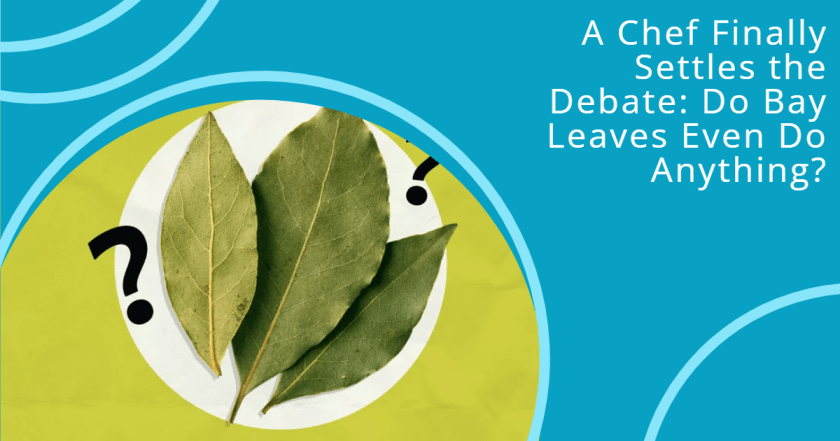
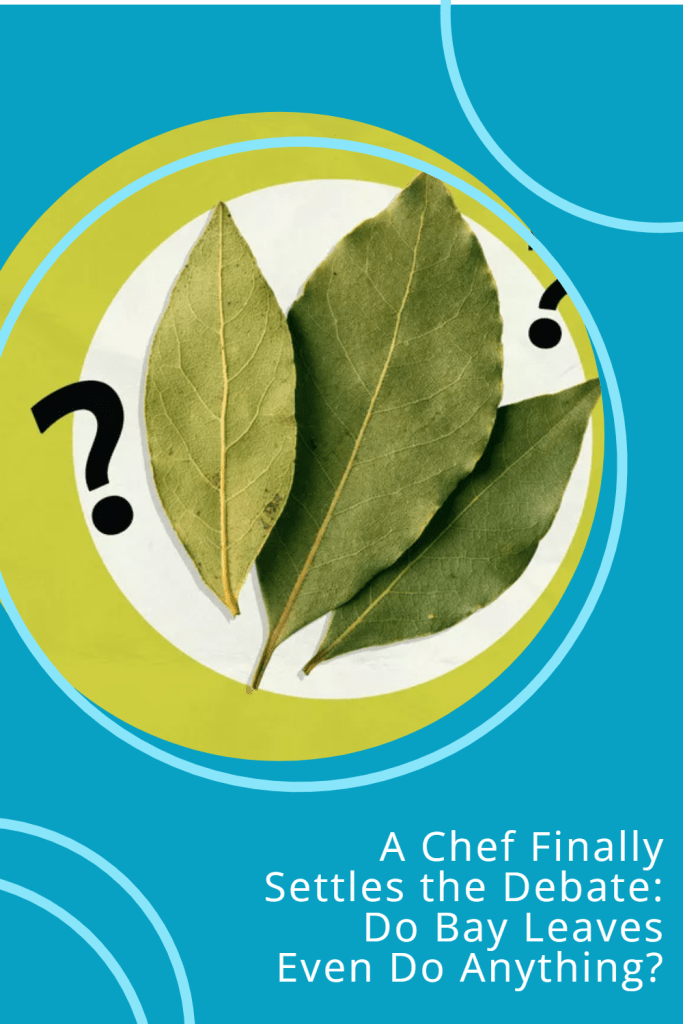
A Chef Finally Settles the Debate: Do Bay Leaves Even Do Anything?

Adding a bay leaf to your chicken soup may seem like a no-brainer—but does that little leaf really make a difference? Ask your friends who cook occasionally and most will say no, they omit them all the time. Ask professional chefs and avid home cooks, and the answer is completely different. But opinion is one thing—an actual taste test is another.

As the former test kitchen manager for a magazine and now full-time recipe developer, I did what I know best: I made a recipe and did a side-by-side blind tasting. I made Chef John’s Homemade Chicken Stock with and without a bay leaf and then tasted the broth along with other testers. The difference was noticeable, but not profound. The stock with the bay leaf had a slightly more herbal flavor and nuanced taste, but it wasn’t enough to make me think the bay leaf was crucial. 

But was my side-by-side test enough? I didn’t think so. My bay leaf was more than a year old and wasn’t very big. Another chef agreed.

“I think bay leaves are just underused or misused,” says Stephen Coggio, former farmer at The French Laundry garden and now Executive Chef at Cloud 9 Caterers in Burlington, Vermont. “They need to be toasted and they need to be used bountifully. Dried bay has very little impact whereas California fresh bay leaves should be used carefully.”

So I went back to the kitchen and made the chicken stock again. Twice. In one I used a fresh bay leaf and in the other, I used three dried bay leaves.
Allrecipes

Posted in Book Reviews

50 Simple Soups for the Slow Cooker

The author of The Gourmet Slow Cooker returns with fifty simple, satisfying, and healthy soups in this vegetarian slow cooker cookbook.

In fifty Simple Soups for the Slow Cooker, Lynn Alley shares a variety of vegetarian and vegan recipes that range from traditional favorites to bold new flavor combinations. Classics like Minestrone and French Onion Soup mingle with many unique offerings, including Swedish Rhubarb Raspberry Soup, Garnet Yam Soup with Coconut Cream, and Eggplant Soup with Cumin, Yogurt, and Dill.

These easy-to-prepare slow cooker recipes are also easy on the planet, the palate, and the pocketbook!

A Rochester
5.0 out of 5 stars yum!
Reviewed in the United States on April 4, 2014
Verified Purchase
This is a handy little book. It is hard backed with a spiral spine. It is vegetarian but many of the soups would be delicious with meat added. I checked the book out of the library and decided to buy it. I had put markers in the pages with recipes I liked. I planned to print the recipes---then I realized that I needed to print most of the book, so I ordered it. These soups sound great, Black Bean Chili with Cornbread Crust, Curried Butternut Squash, and Dried Mushroom Barley with Dill Cream! Bon Apetite!
Posted in #Recipes

Chicken Carbonara

Chicken carbonara is beloved because it’s equal parts indulgence and practicality. While fettuccine Alfredo flaunts its buttery, creamy decadence and classic carbonara sticks to minimalist perfection with cured pork, cheese, eggs and pepper, chicken carbonara is the overachiever of the group. It’s hearty enough to be a full meal, thanks to juicy chicken, but it is still indulgent with its rich, cheesy sauce and smoky bacon. This dish is a little bit fancy, a little bit practical and a whole lot of delicious.

Carbonara is one of my signature dishes, but it has taken a little practice. After several failed attempts when learning how to make chicken carbonara—involving scrambled eggs (and some very spicy language)—I discovered the keys to success: patience and timing. Whether you’re a die-hard traditionalist or just want a comforting plate of pasta, this dish is here to win you over. So grab your apron, some pantry staples and a pinch of curiosity—let’s make some pasta dreams come true.

Chicken Carbonara Ingredients

  • Spaghetti: This long strand is like the little black dress of pasta shapes—classic, versatile and always in style. If necessary, you can use fettuccine or linguine, but this recipe works best with a long noodle.
  • Egg yolks: These golden beauties are the secret to carbonara’s silky sauce. Room temperature is key here, folks. Cold yolks can’t blend properly with hot pasta. Pro tip: Save the egg whites for a fluffy omelet tomorrow morning.
  • Parmesan cheese: Parmesan brings umami to the dish. Go for the good stuff—pre-grated cheese from a shaker bottle isn’t the vibe here. If you want to class it up, try Parmigiano-Reggiano.
  • Olive oil: A small amount of olive oil helps cook the bacon more evenly and adds more fat (fat = flavor!) to cook the chicken. Choose the best olive oil for flavor and a high smoke point.
  • Bacon strips: Chop the bacon into bite-sized pieces so it cooks evenly and fits perfectly on your fork.
  • Chicken breasts: The chicken brings extra protein, making this carbonara feel more like a meal and less like an elaborate side dish. Pounding it thin ensures it cooks quickly and evenly.
  • Seasonings: Salt and pepper are key to balance out the richness and enhance the flavors.
  • Garlic: Garlic’s distinctive zing is essential for any chicken carbonara recipe.
Posted in Kitchen Tips

The One Ingredient I Never Add to Guacamole

My favorite guacamole recipes are often the simplest. You don’t need more than six or seven ingredients to make an incredible dip.

Everyone has different preferences when it comes to guac. Even in Mexico, there is no single way to make guacamole

But there is one ingredient I see in guacamoles that I tend to steer clear of when I’m making my own. It’s a common addition, one I see more often from homemade guacamoles than at restaurants.

Why I Leave Tomatoes Out

I never include tomatoes. If you like them in your guacamole, then you should add them. And I’ll still eat it because I go for any guacamole I can get my hands on. But if you come to my house, expect it without tomatoes. 

If you want to get your tomato fix, there will also be salsa and pico de gallo waiting. But tomatoes always feel a little redundant in guacamole because the citrus from your chosen fruit—whether that be limes, lemons, or oranges—adds enough acidity already.

Plus, they also contain a lot of water which can pool in the guacamole when stored. An added component I don’t really want—and they can cause any leftovers to brown quicker and separate, creating p in the container. 

If you plan to finish the guacamole the same day you make it, tomatoes are a fine ingredient to add. But I tend to skip it entirely. The texture of the tomatoes, which turns quite mushy when mashed, gets lost in the avocados.

Allrecipes