Posted in Seafood Meals

Pantry Tuna & Tomato Pasta for Two

There are nights when dinner needs to come from the pantry.

Not because something has gone wrong. Not because we’re eating “emergency food.”

Sometimes you simply don’t have much fresh food on hand, the weather isn’t cooperating, or you don’t feel like making a grocery run for one ingredient.

That’s when a practical pantry earns its keep.

This Pantry Tuna & Tomato Pasta combines canned tuna, pasta, tomatoes, and a few simple seasonings into a satisfying meal for two. It’s inexpensive, doesn’t require much refrigerator space, and comes together in about half an hour.

And if you’re cooking for one, the leftovers make an easy lunch.

Why You’ll Love This Recipe

  • Uses inexpensive pantry staples
  • Makes just two servings
  • Doesn’t require fresh vegetables
  • Uses canned tuna as the main protein
  • Requires very little refrigerator space
  • Can be adjusted with whatever pantry ingredients you have
  • Works well as a quick lunch or dinner
  • Gives a basic can of tuna a little more personality than a sandwich
simplegoodfood's avatarsimplegoodfood

Pantry Tuna & Tomato Pasta

There are nights when dinner needs to come from the pantry.
Prep Time 5 minutes
Cook Time 20 minutes
Total Time 25 minutes
Servings: 2
Course: Dinner, Lunch, Main Course
Cuisine: American
Calories: 450

Ingredients
  

Ingredients
  • 4 ounces dry pasta
  • 1 can 5 ounces tuna, drained
  • 1 cup canned diced tomatoes with juices
  • ½ cup chicken or vegetable broth
  • 1 tablespoon olive oil
  • ½ teaspoon dried minced onion or onion powder
  • ¼ teaspoon garlic powder
  • ½ teaspoon dried parsley
  • ¼ teaspoon Italian seasoning
  • ⅛ teaspoon black pepper
  • Salt to taste
  • 1 tablespoon grated Parmesan cheese optional
Optional additions
  • Use what you already have.
  • A tablespoon or two of canned peas
  • A few dehydrated vegetables rehydrated
  • Red pepper flakes if you enjoy them
  • A spoonful of tomato paste
  • A small amount of shredded mozzarella
  • A handful of canned white beans

Method
 

Cook the pasta
  1. Bring a pot of lightly salted water to a boil.
  2. Cook the pasta according to the package directions until just tender.
  3. Before draining, reserve about ½ cup of the pasta water.
  4. Drain the pasta and set it aside.
Build the sauce
  1. While the pasta cooks, heat the olive oil in a small skillet over medium heat.
  2. Add the onion, garlic powder, parsley, and Italian seasoning.
  3. Stir for about 30 seconds.
  4. Add the diced tomatoes and broth.
  5. Bring to a gentle simmer and cook for about 5 minutes.
Add the tuna
  1. Drain the tuna and gently break it into pieces.
  2. Add it to the tomato mixture and stir.
  3. Don’t overwork it—you want some recognizable pieces of tuna rather than turning everything into a paste.
  4. Simmer for another 2–3 minutes.
Bring everything together
  1. Add the cooked pasta to the skillet.
  2. Toss gently until the pasta is coated with the sauce.
  3. If it seems too thick, add a little of the reserved pasta water.
  4. Taste and adjust the seasoning.
Finish
  1. Divide between two bowls.
  2. Sprinkle with Parmesan if desired.
  3. Serve hot.

Notes

Kitchen Confidence

This is one of those recipes where the exact ingredients aren’t nearly as important as the basic formula.
Pasta + protein + tomato + seasoning = dinner.
If you don’t have diced tomatoes, tomato sauce will work.
If you don’t have Italian seasoning, use parsley and garlic powder.
If you have a little leftover vegetable, add it.
If you have a different shape of pasta, use it.
The pantry doesn’t have to be perfectly stocked for this meal to work.

Stretch Every Grocery Dollar

The tuna is doing double duty here: it’s the protein and the ingredient that makes a very inexpensive pasta dish into a complete meal.

Using four ounces of dry pasta for two servings also keeps the meal from becoming a giant pot of leftovers.

That’s one of the advantages of cooking for a small household.

You can make exactly what you need.

And if you’re cooking for one, you can prepare both servings and have tomorrow’s lunch ready at the same time.

Waste Not, Want Not

Don’t throw away that last bit of pasta water.

A splash can loosen the sauce and help it cling to the pasta.

And if you have half a can of tomatoes left from another recipe, freeze it in a small container if appropriate for your storage setup, or plan another pantry meal around it.

This is also a good recipe for using small amounts of dehydrated vegetables.

A tablespoon of dehydrated onion or a few dried vegetables can disappear into the sauce without requiring another shopping trip.

Cooking for One or Two

This recipe makes two modest servings.

For one person, enjoy one serving for dinner and refrigerate the second for lunch.

If you prefer to make only one serving, simply halve the ingredients.

The recipe is forgiving enough that you don’t need to worry about getting every measurement perfectly exact.

Meal Prep Note

This is a good “cook once, eat twice” meal.

If you’re cooking for yourself, make both servings.

Store the second portion in a covered container and refrigerate promptly.

When reheating, add a small splash of water or broth before warming. The pasta will absorb some of the sauce as it sits.

Storage & Freezing

Refrigerate leftovers promptly and use within 3–4 days.

Reheat gently in the microwave or in a skillet with a splash of water or broth.

Because cooked pasta can change texture after freezing, refrigeration is preferable for this particular recipe.

A Pantry Meal Doesn’t Have to Feel Like One

This is really the point of the recipe.

Canned tuna is a pantry ingredient.

Canned tomatoes are a pantry ingredient.

Pasta is a pantry ingredient.

But put them together with a little seasoning and some cooking time, and you’ve got dinner.

That’s what we’re after with Pantry to Table.

Not food that tastes like you’re making do.

Food that makes good use of what you already have.

And sometimes, that’s the smartest kind of cooking.


Posted in Skillet Meals

Garden Vegetable Pasta Toss

Introduction

Sometimes the refrigerator doesn’t need another shopping trip.

It needs a little attention.

A zucchini that’s been waiting patiently in the vegetable drawer. A handful of mushrooms. Some green beans. A carrot or two. Maybe a little spinach that’s getting close to the end of its useful life.

That’s where Garden Vegetable Pasta Toss comes in.

This isn’t a recipe that requires you to have exactly the right vegetables. It’s a framework for turning the vegetables you already have into a simple pasta dinner.

The vegetables are sautéed until tender-crisp, tossed with pasta and a light garlic-herb sauce, and finished with Parmesan and fresh herbs.

It’s colorful, satisfying, inexpensive, and — perhaps most importantly — flexible.

Because sometimes the best ingredient in the kitchen is the one you already bought.

Why You’ll Love This Recipe

  • It’s a refrigerator-cleanout meal without feeling like one.
  • You can use almost any combination of vegetables.
  • It’s inexpensive and naturally meatless.
  • One pot of pasta and one skillet handle most of the work.
  • It can be served warm or at room temperature.
  • It’s easy to scale for one or two people.
  • The vegetables can be prepped ahead, making tomorrow’s dinner easier.
simplegoodfood's avatarsimplegoodfood

Garden Vegetable Pasta Toss

This isn't a recipe that requires you to have exactly the right vegetables. It's a framework for turning the vegetables you already have into a simple pasta dinner.
Prep Time 15 minutes
Cook Time 15 minutes
Total Time 30 minutes
Servings: 4
Course: Dinner, Lunch, Main Course
Cuisine: American
Calories: 390

Ingredients
  

  • 8 ounces pasta such as penne, rotini, or bow ties
  • 1 tablespoon olive oil
  • 1 small onion diced
  • 2 medium carrots thinly sliced
  • 1 cup sliced mushrooms
  • 1 cup green beans cut into bite-sized pieces
  • 1 medium zucchini diced
  • 2 cloves garlic minced
  • ½ teaspoon dried basil
  • ½ teaspoon dried parsley
  • ¼ teaspoon dried thyme
  • ½ teaspoon salt or to taste
  • ¼ teaspoon black pepper
  • ½ cup low-sodium vegetable broth
  • 1 tablespoon lemon juice
  • ¼ cup grated Parmesan cheese
  • 2 tablespoons chopped fresh parsley
Optional Additions
  • 1 cup fresh spinach
  • ½ cup frozen peas
  • leftover cooked corn
  • chopped bell pepper
  • roasted vegetables
  • cherry tomatoes
  • cooked chicken or turkey

Method
 

Cook the Pasta
  1. Bring a large pot of salted water to a boil.
  2. Cook the pasta according to the package directions until just tender.
  3. Before draining, reserve ½ cup of the pasta water.
  4. Drain the pasta and set aside.
Start With the Firm Vegetables
  1. While the pasta cooks, heat the olive oil in a large skillet over medium heat.
  2. Add the onion and carrots.
  3. Cook for 3–4 minutes, stirring occasionally.
  4. Add the green beans and mushrooms.
  5. Continue cooking for another 3–4 minutes.
Add the Quick-Cooking Vegetables
  1. Add the zucchini.
  2. Cook for 2–3 minutes, stirring occasionally.
  3. The vegetables should be tender but still have some texture.
  4. If you’re using bell peppers, peas, or other vegetables, add them according to how quickly they cook.
Add the Garlic and Herbs
  1. Add the garlic, basil, parsley, thyme, salt, and black pepper.
  2. Cook for about 30 seconds, just until fragrant.
Make the Light Sauce
  1. Pour the vegetable broth into the skillet.
  2. Add the lemon juice.
  3. Stir and allow the mixture to simmer for 1–2 minutes.
  4. The broth isn’t supposed to make a heavy sauce. It’s simply there to bring the flavors together and give the pasta a little moisture.
Toss Everything Together
  1. Add the drained pasta to the skillet.
  2. Toss gently until the pasta is coated with the vegetables and pan juices.
  3. If the mixture seems dry, add a tablespoon or two of the reserved pasta water.
  4. Continue tossing until everything is heated through.
Finish the Pasta
  1. Remove the skillet from the heat.
  2. Add the Parmesan cheese and fresh parsley.
  3. Toss again.
  4. Taste and adjust the seasoning.
  5. Serve warm.

🌿 Kitchen Confidence: Cook Vegetables in the Right Order

One of the easiest ways to improve a vegetable pasta dish is to stop treating every vegetable the same.

Some vegetables need more time.

Some need almost none.

For this recipe:

Carrots and onions go in first.

Green beans and mushrooms come next.

Zucchini goes in toward the end.

Spinach only needs a minute or two.

That simple change means you can have vegetables that are cooked through without turning everything into one soft, indistinguishable mixture.

And that matters.

Good vegetable dishes should still taste like vegetables.

The Refrigerator-Cleanout Rule

The beauty of this recipe is that you don’t need all five vegetables listed above.

Think of the recipe as a starting point.

You need:

Pasta + vegetables + a little liquid + seasoning.

That’s the basic formula.

If you have zucchini but no green beans, use zucchini.

If the mushrooms need to be used, add them.

If you’ve got leftover cooked broccoli, toss it in near the end.

If you have spinach that needs attention, add it just before the pasta.

The goal isn’t to make the vegetables match the recipe.

The goal is to make the recipe work for the vegetables you have.

Cook Today, Make Tomorrow Easier

This recipe can also become a small meal-prep project without really feeling like one.

If you’re already washing and chopping vegetables for dinner, chop a little extra.

If you’re already cooking pasta, make enough for another meal.

Store the extra cooked vegetables separately or refrigerate the finished pasta for another day.

You can even prepare a container of sautéed vegetables and freeze them as a meal starter for a future pasta dish, soup, or skillet meal.

That’s the whole philosophy we’ve been working with this week:

Do a little more while you’re already in the kitchen.

Make It Your Own

Add Protein

If you want a heartier meal, add:

  • leftover cooked chicken
  • turkey
  • cooked shrimp
  • white beans
  • chickpeas

Change the Pasta

Almost any medium-sized pasta works.

Try:

  • rotini
  • penne
  • bow ties
  • shells
  • whole-wheat pasta
  • chickpea pasta

Change the Flavor

For an Italian-style version, add extra basil and Parmesan.

For a brighter summer version, add more lemon and fresh parsley.

For a heartier fall version, try roasted carrots, mushrooms, and spinach.

The basic method stays the same.

Storage

Store leftovers in a covered container in the refrigerator.

Use within 3–4 days.

When reheating, add a splash of water or vegetable broth if the pasta has dried out.

For best texture, gently reheat in a skillet rather than overheating it in the microwave.

Posted in Curated Recipes

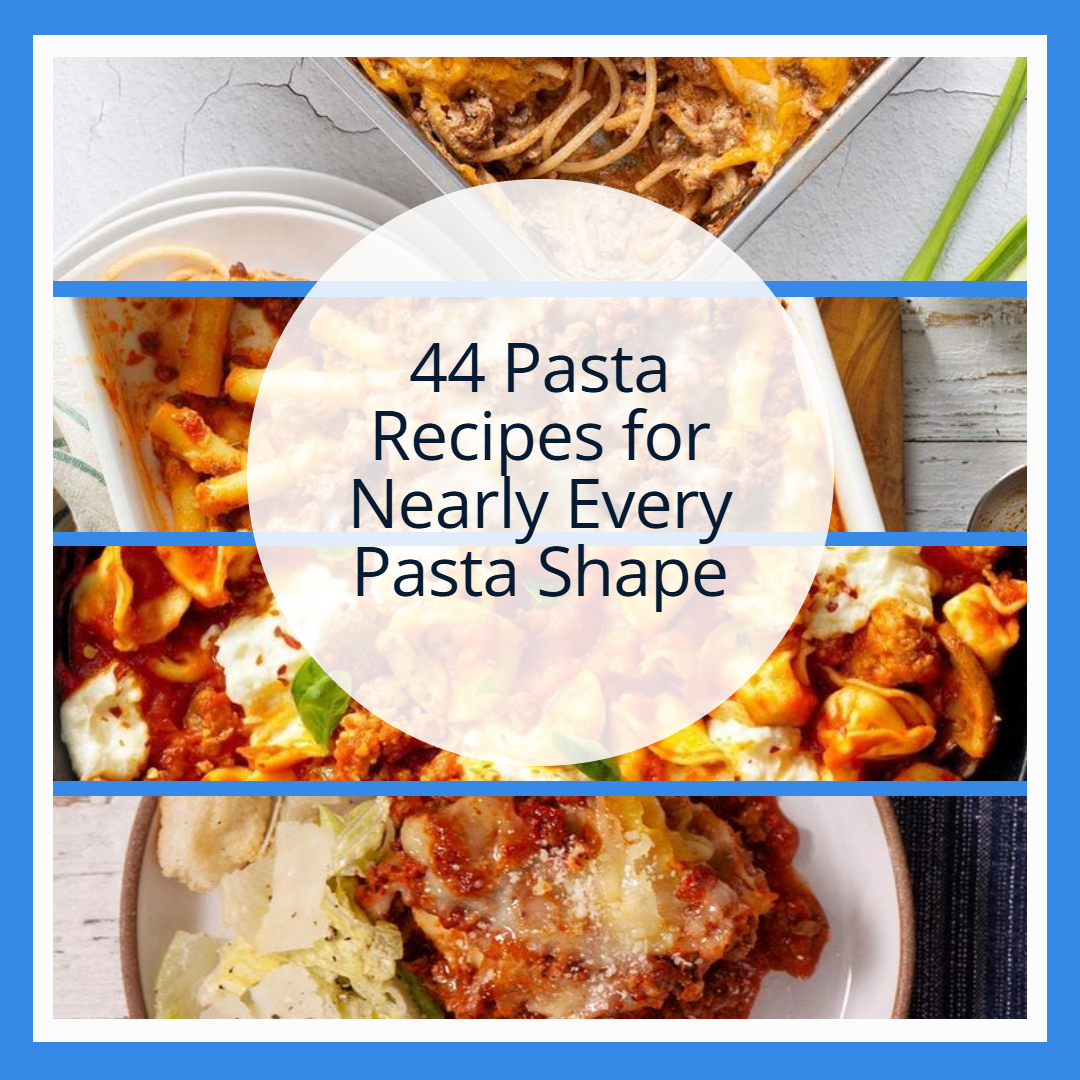
44 Pasta Recipes for Nearly Every Pasta Shape

There’s nothing like noodles to please everyone at the dinner table. Whether you’re feasting on impressive baked pasta recipes like lasagna or stuffed shells, or enjoying a bowl of saucy tortellini, every shape of pasta satisfies. These go-to pasta recipes prove that you don’t need to have a lot of time on your hands to whip up a delicious and comforting Italian-inspired meal.

Round out your carb-heavy entree with spaghetti side dishes (they go with ziti, penne and ravioli too) and some crusty Italian bread. If you’re feeling ambitious and have the time to spare, homemade fresh pasta is well worth the effort.

Taste of Home

Posted in Kitchen Tips

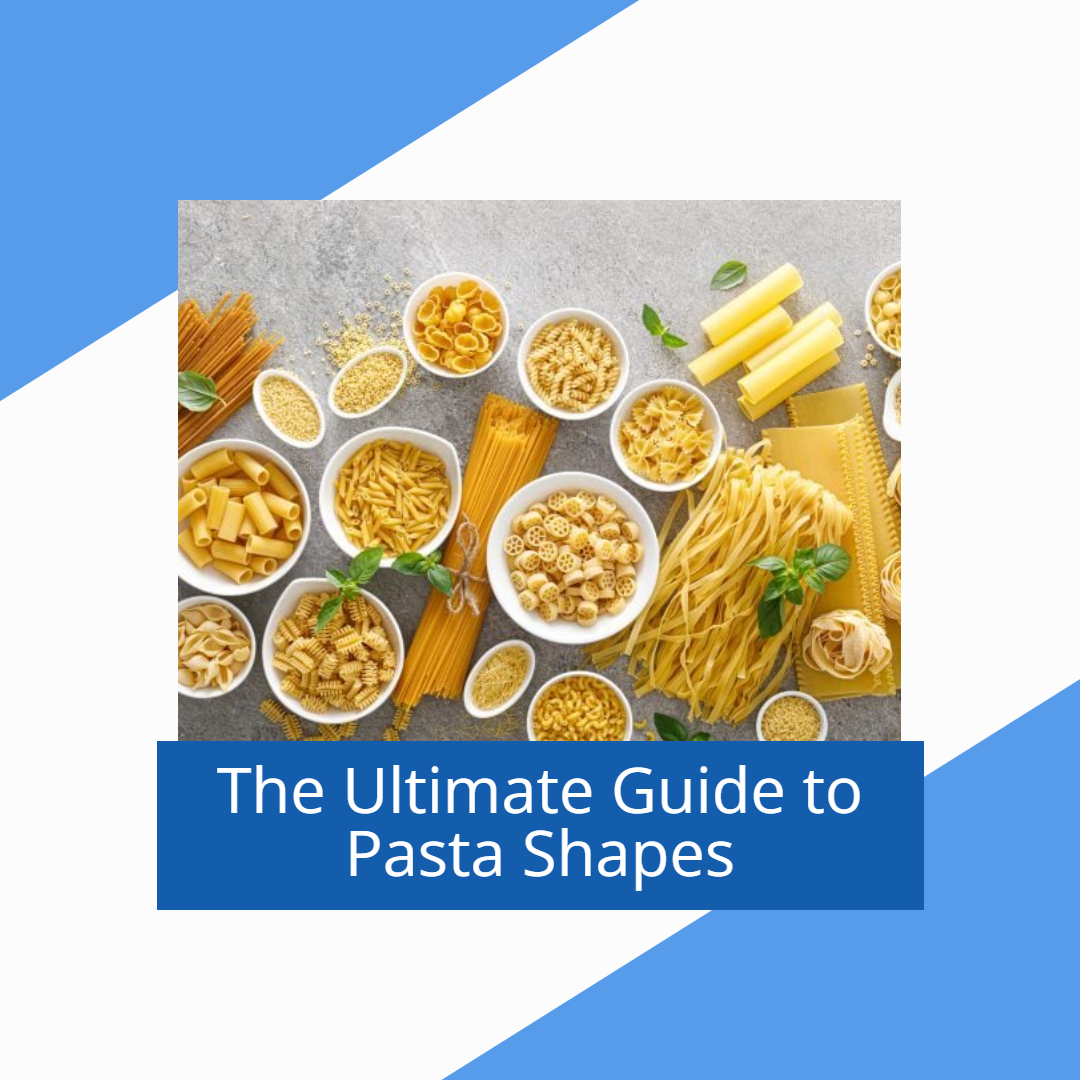
The Ultimate Guide to Pasta Shapes

The grocery store is packed with pasta shapes. Before you reach for a box, learn about what makes each shape different and which recipes work best with your go-to noodle.

Various kinds of uncooked pasta and noodles, some in white bowls, on stone background, top view
YelenaYemchuk/Getty Images

There’s a reason making pasta is so much fun—there are tons of pasta shapes to choose from! Whatever kind of sauce you’re in the mood for, like pesto, cream, marinara or meat sauce, there’s a noodle shape that suits it perfectly. You can take it one step further and choose between fresh or dry pasta too.

Long, smooth noodles prefer lighter sauces or a simple coating of olive oil and herbs. Thick, ribbon-like noodles or ridged pasta can hold more weight, and they keep the sauce on your noodles instead of at the bottom of the bowl. Tubular pasta is ideal for baked dishes like casseroles. Because the shapes, sizes and thickness varies so much, each type of pasta will have different cook times. Check the directions on your pasta box for perfectly al dente noodles.

If you’re using a pasta maker to shape your homemade pasta dough into noodles, tubes or shells, here’s a whole list of fun shapes to try. One ball of dough can make dozens of different dishes!

Taste of Home

Posted in Curated Recipes

Alfredo Baked Spaghetti

Baked pastas are among my family’s favorite dinners. Homemade lasagna has earned the title of “Most Requested Birthday Dinner,” but since it is a labor of love to prepare, I reserve it for special occasions. But just because I won’t layer noodles and sauce on a weeknight doesn’t mean that pasta casseroles aren’t on the menu. 

When requests for lasagna start rolling in, I turn to recipes like baked spaghetti for inspiration. It has all of the essential elements of a family-friendly dinner, from the quick-cooking sauce to the tangle of spaghetti and cheesy finish. In this version of baked spaghetti, I’m tossing the pasta with another beloved Italian-American sauce, alfredo sauce. Alfredo baked spaghetti comes together with just 15 minutes of prep and tastes extra-creamy, cheesy, and delicious.

Continue reading “Alfredo Baked Spaghetti” →
Posted in Curated Recipes

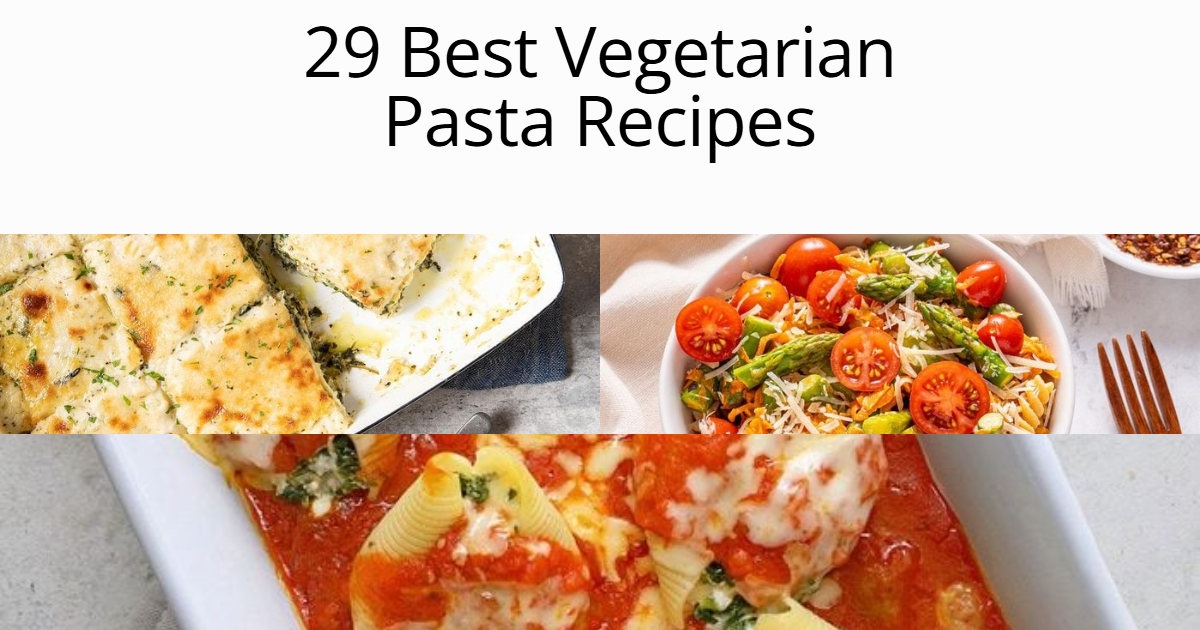
29 Best Vegetarian Pasta Recipes

Pasta is perfect for easy weeknight dinners! Our best vegetarian pasta recipes range from simple one-pot dishes to cheesy lasagna, veggie-packed spaghetti and baked mac and cheese for easy, filling vegetarian meals.

Taste of Home