
Posted in Kitchen Tips

How To Make Your Best Ham Ever

Imagine your perfect Christmas spread. Is it a table full of potatoes (au gratin or scalloped are our preferred), some hearty veggies (our Brussels sprout salad or our winter panzanella are tops over here), dinner rolls, ham… Yep, ours too, with one caveat: While we can all get behind the sides (and the Christmas COOKIES), when it comes to the main event, our team is surprisingly split.

Some Delish editors say a spiral ham is the only one to buy, while others swear by a smoked whole ham and say that scoring it yourself will yield the juiciest meat. And then there’s the question of which glaze is the most classic, with everything from cherry bourbon to brown sugar on the table. Why is it so hard to find a definitive answer to which ham is the BEST ham?

Turns out, the answer lies in your preferences. It’s just as much about what you’re doing with your ham day-of as it is what you’d like to do with your leftover ham. Whether you’re in it for the perfect forkful on Christmas Eve or just the best-ever post-holiday ham sandwich, we’ve got all the info you need here to make an exceptional baked ham—even if you’ve never cooked one before. Let’s get started!

delish!

Posted in Kitchen Tips

This Mind-Blowing Potato-Peeling Hack Doesn’t Even Use a Vegetable Peeler

I’m always looking for ways to do things better, faster, and easier in the kitchen—as long as the end result is quality. Peeling different foods is at the top of the list. Who hasn’t tried various methods for easily peeling a hard-boiled egg, removing the skin from a tomato, or peeling the thick skin from a butternut squash? And the various different ways I’ve tried to keep myself from crying while cutting an onion until I discovered onion goggles? I’ve lost count.

Recently, a viral video got the social media world buzzing about the easiest way to peel potatoes, and it’s intriguing. Particularly with the holidays coming up and the mountains of mashed potatoes many of us will make, the trick is definitely worth investigating.

How to Peel Potatoes Without a Vegetable Peeler 

TikTok’s kalejunkie shares various tricks, tips, and recipes with her followers. Her method for making potatoes easy to peel seems genius if you intend for the potatoes to be boiled for dishes like mashed potatoes or potato salad.

Here are the steps to her method:

  1. Bring a pot of water to a boil. 
  2. Score potatoes around the middle with a sharp knife.
  3. Carefully drop potatoes in the boiling water and cook them until you can easily pierce them with a knife.
  4. Remove and let cool a little so you can handle them. 
  5. Peel the skins right off by hand.

Allrecipes

Posted in Kitchen Tips

Toss Your Salad Dressing Immediately If Notice These Signs

We all have condiments and dressings sitting in the back of our refrigerators (and would rather not admit how long they’ve been there). Due to the fact that mayonnaise or balsamic vinaigrette usually don’t get used everyday, it’s easy to forget when you bought them at the store—and how long they’ve been inhabiting the top shelf. 

That’s why it’s important to brush up on the signs of expiration, especially when it comes to salad dressing, which tends to get overlooked in the kitchen. We turned to an expert to learn exactly when your salad dressing needs to be tossed—either in a bowl or in the garbage. 

It Fails the Sniff Test 

Like most foods, salad dressing tends to take on an off-putting odor when expired. “This is because there are yeasts that produce gas when salad dressing has spoiled, and create off-flavors or odors in the process,” says food scientist Dr. Bryan Quoc Le. Trust your gut—any forms of rancid, unpleasant, or just plain weird scents warrant throwing it away. 

You’ll especially notice a sour odor with dairy-based dressings like ranch, Caesar, or Italian. Some have even likened a funky salad dressing smell to wet cardboard.

Allrecipes

Posted in Kitchen Tips

FDA Announces Recall on Crackers Sold at Walmart, Target, and More for Metal Contamination

More than 15,000 cases of oyster crackers have been recalled from Walmart, Target, and Giant Eagle after stainless steel wire was found in the product. The recall was initiated on Feb. 21, 2025, and was classified as “Class II,” meaning the product may cause “temporary” or “reversible” health consequences, by the FDA on March 11. 

Shearer’s Foods, LLC recalled its oyster crackers, which are packaged and labeled under multiple brand names, after the food was found to be contaminated with foreign material. The oyster crackers were distributed to Target, Walmart, and Giant Eagle stores in Alabama, California, Colorado, Florida, Georgia, Illinois, Indiana, Kansas, Michigan, Minnesota, Missouri, Mississippi, North Carolina, Nebraska, New Jersey, New York, Ohio, Oklahoma, Oregon, Pennsylvania, Texas, Virginia, Washington, and Wisconsin. The recalled products were also distributed in 20-pound bulk packages that were not meant for retail sale. 

Allrecipes

Posted in Kitchen Tips

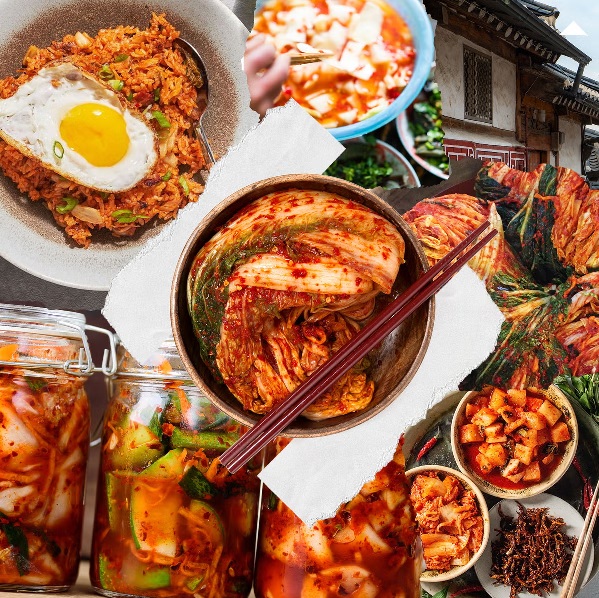
What is Kimchi?

A pretty sizable portion of my favorite things are fermented. Sauerkraut on a Hebrew National hot dog, soul-warming miso soup, and that ice cold beer at the end of a long day are all things made possible by that holiest of metabolic processes. And in my mind, there’s no other food that deserves the fermented crown more than kimchi.

In the states, people tend to think of kimchi solely as the Korean pickled cabbage that has grown exponentially in popularity over the past couple of decades. However, kimchi is much much more than that. To get a full rundown of all things kimchi I spoke to Hyunjoo Albrecht, the founder and head chef behind Sinto Gourmet, the makers of one of our favorite brands of store-bought kimchi.

So what is kimchi?

Kimchi should be thought of more as a method than a singular dish. Hyunjoo describes it succinctly as “a very traditional, fermented vegetable originating in Korea that is fermented with salt as well as other seasonings.” She also told me that it’s the way Korean people have been preserving vegetables for centuries. Traditionally, the salted veg would be placed in earthenware pots and buried to keep cool during summer months and to keep from freezing in the winter. Today kimchi is kept in the fridge. (When kept at room temperature, the fermentation can occur too quickly and it will spoil.)

delish!

Posted in Kitchen Tips

The Most Dangerous Leftovers Lurking In Your Refrigerator

Leftovers are the glue that holds together a weekly meal plan. Having food that can quickly be eaten from one meal to the next is what keeps schedules less stressful and the grocery bill balanced. It’s just an added bonus that the bowl of last night’s spaghetti and meat sauce hits the spot any night of the week. But what if that pasta is harboring some pretty nasty bacteria that can make you really sick?  

After a 2008 news story about a 20-year-old college student dying from eating leftover pasta resurfaced on TikTok, social media users are worried that their days-old food might not be safe to eat. The illness that’s caused by eating leftovers, known as “fried rice syndrome,” has garnered plenty of attention on TikTok, with creators raking in millions of views for explaining its dangers. 

Which begs the question: Which leftovers can be dangerous? Why? And are there any ways to avoid or minimize the risk of foodborne illness?

Allrecipes

Posted in Kitchen Tips

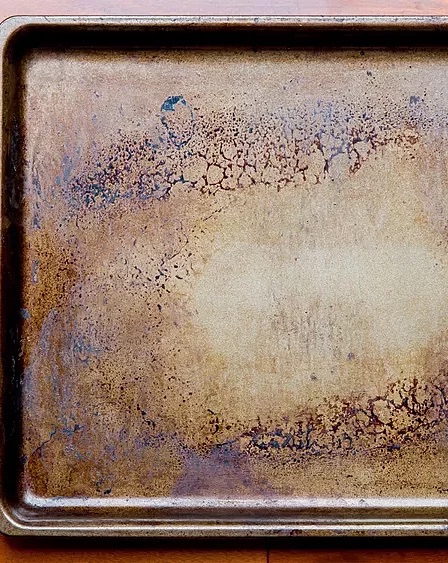
How to Clean Dirty Baking Sheets So They Look Brand New

If you’re like me, sheet pans are probably some of your most well-loved and perpetually dirty kitchen items. No amount of scrubbing and soaking seems to get any of that burnt residue off. Sometimes it’s time to set soap and water aside and look for new methods of cleaning stubborn stains and residue. So before you toss those dirty pans, give these methods of cleaning sheet pans a try.

Allrecipes

Posted in Kitchen Tips

How Long Does Boxed Chicken Broth Stay Good in the Fridge?

There are certain kitchen staples that are versatile superstars, here to help with any number of recipes. Boxed chicken broth is one of those hard-working items you can keep on hand for everything from soups and stews to rice and pasta.

This handy supermarket shortcut is shelf-stable as long as it isn’t opened, but once you unscrew the cap, do you actually need to use it all at once? Here’s everything you need to know about saving an open carton of chicken broth.

Is There a Difference Between Homemade and Boxed Chicken Broth? 

The biggest difference with homemade broth and a box of chicken broth is the time it takes to prepare. Homemade broth involves simmering onions, carrots, and other aromatics along with chicken in water. The chicken broth in a box is a kitchen time-saver in that it is ready-to-use as soon as it is opened.

What’s the Difference Between Stock and Broth?

The ingredient profile is also slightly different as far as the protein and gelatin content. A boxed broth has virtually no gelatin which means that it does not have the depth and viscosity of a homemade version. A homemade broth will naturally start to thicken as it reduces over heat, while a store-bought stock will remain a thinner consistency.

What Is In Boxed Chicken Broth? 

Look at the ingredient list on a box of chicken broth and you will find a combination of ingredients not dramatically different from what you’d use to make broth at home. Ingredients such as: chicken, water, salt, natural flavoring, mirepoix (carrots, celery, onions), yeast extract (barley), sugars (dextrose), canola or soybean oil.

Allrecipes

Posted in Kitchen Tips

PSA: You’re Storing Your Potatoes and Onions the Wrong Way

Potatoes and onions have a fair amount in common: They’re infrequently the star of a dish, but play stellar supportive roles in everything from pot roasts to casseroles. Onion bulbs and potato tubers both flourish underground, meaning that the vegetables require similar storage conditions—cool, dark, and ventilated environments—and they fare much better on a counter than in the fridge.

However, just because onions and potatoes prefer the same conditions doesn’t mean they make good neighbors. In fact, storing the vegetables together will shorten both of their shelf lives.

Can You Store Potatoes and Onions Together? 

Storing potatoes and onions together isn’t the best idea. Onions produce a high level of ethylene gas, which will cause potatoes to ripen—and go bad—before you’re ready to use them. However, those spuds aren’t completely innocent, either: Potatoes’ high moisture content can cause onions to liquefy and leak. Keep onions and potatoes apart for both vegetables’ sakes.

Allrecipes

Posted in Kitchen Tips

3 Ways to Instantly Tell If Your Broccoli Has Gone Bad

Broccoli is one of the most common vegetables on the dinner table. And for good reason; it’s a versatile staple vegetable that’s available in abundance in almost every grocery store and is a delicious way to pack in your daily vitamins and fiber. But if you’ve found yourself with a head that was bought a little too long ago, you may be wondering how to tell if broccoli is bad.

How to Store Broccoli 

The best broccoli has tender florets and firm, slightly crunchy stalks. But if you store it incorrectly, those florets can become shriveled, and the stalks can get soft and rubbery. Broccoli lasts the longest stored in the fridge, so skip the counter or pantry. Once you bring your head of broccoli home from the store, loosely wrap it in a plastic bag, produce bag, or another perforated bag, keeping the stalk end out.

How to Cook Broccoli Right

In the crisper drawer, broccoli will keep l for 3 to 5 days. You can also wrap the stalk end in a slightly damp paper towel to extend the broccoli’s life a bit further, about 4 to 7 days.

Allrecipes