By Robin Shreeves Robin Shreeves Robin Shreeves is an award-winning wine journalist, food and lifestyle features writer, and book author with over 15 years experience writing for print and online publications. Allrecipes’ editorial guidelines
Published on March 1, 2024
TikTok has become a go-to source for recipe ideas, cooking hacks, and prep tips that keep us scrolling for inspiration. Creators have brought us many brilliant ideas that are keepers. However, not all TikTok ideas are created equal, and some may be problematic.
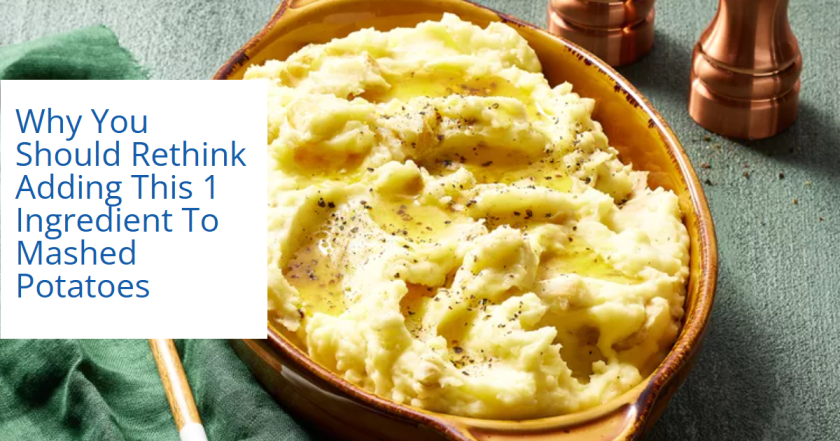
Recently, the practice of adding instant yeast to already cooked mashed potatoes has been a hot topic on social media. It’s supposed to make the mashers fluffier and give them a savory, bready flavor.
Traditional mashed potatoes are already fantastic, so adding a bready note to them might have you wondering, “Why bother?” But since the yeasted version is so popular right now, Allrecipes culinary producer Nicole McLaughlin had to try it for herself.
Why Add Yeast to Mashed Potatoes?
Yeast is what makes certain foods, like bread, rise. When yeast is activated (with heat and moisture) and mixed with flour, it feeds on the sugars and releases carbon dioxide, creating bubbles in the dough that cause it to rise.
When yeast is mixed with milk and added to mashed potatoes, the carbon dioxide bubbles do their magic, changing the texture and flavor of the potatoes and making them rise into a fluffy mass.
In the video, Nicole points out the bubbles in the mashed potatoes after they’ve sat with the yeast for about 20 minutes, although she says the potatoes have risen just “a little bit.”
By Mary Claire Britton Mary Claire Britton Mary Claire Britton is a journalist, food stylist, and recipe developer. In addition to Allrecipes, her work has appeared in Food & Wine, Baked From Scratch, Real Simple, Coastal Living, Cooking Light, Southern Living, and Sunset, among others. Allrecipes’ editorial guidelines Published on December 8, 2024
Glory be: It’s officially soup season, which means it’s also officially grilled cheese season. It has already snowed in my corner of the world, so I am cozying up with all the comfort foods. While I unabashedly love soup, it’s actually less about the soup and more about the carbs that I get to dip in said soup. That’s why I’ve been on the hunt for the best grilled cheese sandwich recipe. To find the one, I tried our five most popular recipes. And listen: You might not think you need a grilled cheese sandwich recipe, but I’m here to convince you otherwise. Read on to find out what I discovered along the cheesiest path I’ve ever taken.
What Makes a Grilled Cheese Sandwich Great?
With such simple recipestechnique is the primary factor that will take your grilled cheese from good to great. I learned this method from my better half, Bray Britton, who also happens to be a professional chef and writer. Use more butter than you think you should, and place both pieces of bread into a pan set over low heat. Use your palms to press the bread into the pan. This promotes even browning and butter distribution. Place cheese on both slices and cover with a lid to steam. Keep the heat on low and take your time. When the cheese is melted and the bread is perfectly browned on both sides, remove the bread from heat, and close up your sandwich.
I would be lying if I said my husband lacked skills in the kitchen. I also wouldn’t be married, because I’m pretty sure I have a second stomach where my heart is supposed to be. I’m lucky to be part of a relationship that splits kitchen responsibilities, because I think it’s fair to say that we all have days when we can’t compute making food for ourselves, but are more than happy to take on the dirty dishes.
My husband, Kyle, has a knack for making simple, comforting dishes. He’s especially good with barbecue and fettuccine Alfredo. He has a patience and resourcefulness that I often lack because I’m so fixated on the end product. It’s why I wrote his scrambled eggs into my wedding vows, and it’s why whenever I’m feeling sick, what I want most is for him to make me a grilled cheese sandwich.
I had a pretty bad cold recently, so in addition to some chicken noodle soup, I got to enjoy a Kyle grilled cheese sandwich or two. And I’m very pleased to report that he’s incorporated a new trick and ingredient to make his grilled cheese sandwiches more delicious than ever.
People take them for granted now, but when slow cookers first hit the mass market in the 1970s, they truly revolutionized kitchens. With their “set-it-and-forget-it” mentality, slow cookers freed up a lot of time preparing food in a world that was quickly and steadily changing. They assisted the wave of women entering the workforce for the first time, helping them simultaneously earn an income and put dinner on the table.
As much as home cooks rely on slow cookers, though, there are some foods that just don’t mix with the countertop appliance. These are the foods you should keep away from your slow cooker, ranging from bothersome to dangerous.
Fresh, bright, and vegetal, with a clean, mild flavor and subtle sweetness, cucumbers are extremely versatile and lend themselves well to a wide range of dishes. From raw to cooked, savory to sweet, and beverages dry or spiked, cucumbers go a long way. Their refreshing nature makes them a star in the summer, but a crudité plate any time of year is bound to see some of these seedy wonders, thanks to their consistent availability and dippable goodness.
If you’ve ever grown cucumbers at home, you know that not only are these long, cylindrical fruits one of the easiest things to grow, but they’re also abundant. Home-growing cucumbers will inevitably have them coming out of your ears at some point, so a little brush-up on how to keep them fresh for as long as possible is a solid idea.
How Long Do Cucumbers Last?
In the fridge: 4-6 days (unwrapped), but up to 2 weeks
Room temperature on the counter: up to 7 days (if out of sun)
My dad is a fruit fanatic. I’ve seen him polish off a case of large mangoes—that’s six pounds—in a week. At my parents’ house, no meal is complete without a platter of whatever’s in season or looks tasty at the supermarket: strawberries, peaches, apples—you name it.
How does Dad eat so much fruit? A simple, no-fuss trick: He always keeps containers of prepped, ready-to-eat fruit in the refrigerator.
My Dad’s Secret
OK, I know—it doesn’t sound like a big deal. But hear me out: Having fruit that’s already washed, peeled, and sliced it way more tempting to eat. Whether it’s neatly cubed ripe mangos, quartered kiwi, or just de-stemmed grapes or cherries, a little prep goes a long way. When your stomach growls, all you have to do is open the fridge and enjoy. That makes the nutritious snack or dessert more appealing than, let’s say, a bag of potato chips or package of cookies.
Butter is trending. Once scorned in favor of margarine and shortening, this dairy product’s popularity has been skyrocketing for the past several years. Butter boards, butter candles, butter-colored stand mixers—you get the picture.
And the dairy aisle reflects it. What used to be a simple section is now brimming with a plethora of different types and brands, each boasting its own unique selling points. Organic, grassfed, European, cultured… the list goes on. In the midst of all these options— some of them with exorbitant price tags—we have to ask: Which butters are actually worth buying?
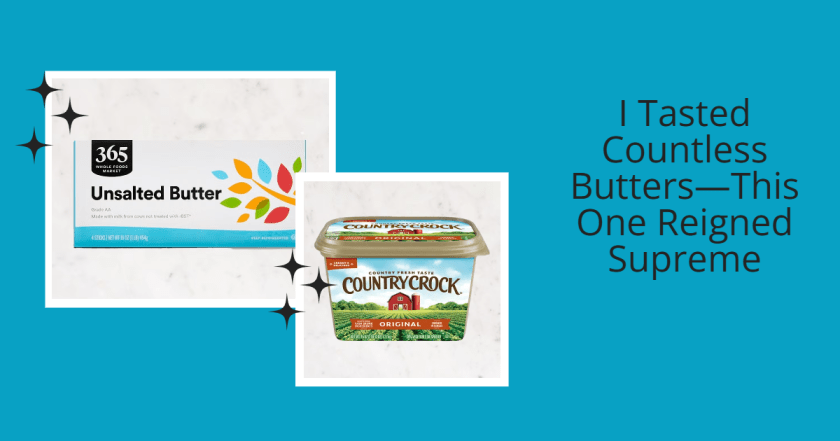
I blindly tasted butter from 16 different brands. Every butter sample was unsalted and served at room temperature, so I could taste the full, true essence of each product. After tasting each sample, I rated it on a scale of 1-10, based on texture as well as flavor. At the end, I determined my favorite butter in each of five separate categories, as well as my favorite overall. Here are the results.
If there’s one thing you never want your food supply to run short on, it’s sliced bread. It’s the base of endless quick meals, lunchtime fixes, and late-night bites. It’s one of those grocery staples you never really know when you’ll need, but you just know you will need it at some point.
And, on the occasion you reach for that ever-dependable bag of sliced bread, there’s nothing more horrifying than realizing mold has gotten to it faster than you have. Now, your beloved white bread—as well as your dreams of a quick PB&J snack—are headed to the trash.
Mold doesn’t have to be the fate of your favorite white bread; Spoilage is almost entirely dependent upon where you store the loaf. Some people swear by the bread box, others by the kitchen counter, while still others keep it tucked away by the eggs in the fridge. With all these differing opinions, how do you know which way is the best? You ask the experts.
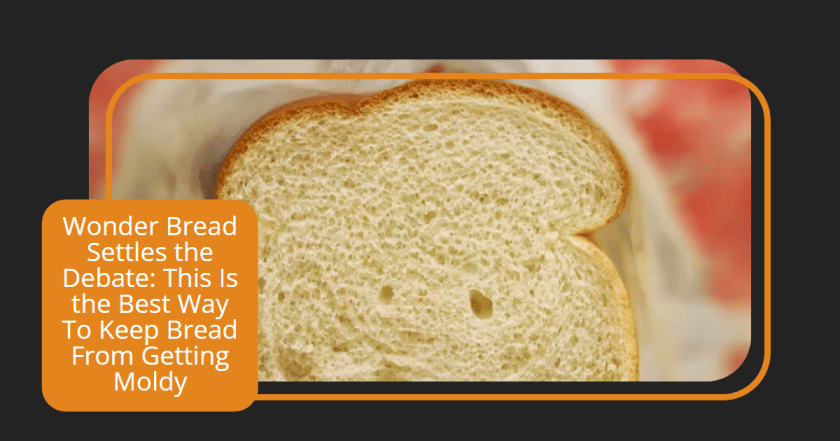
We reached out to Wonder Bread, one of the brands most synonymous with white bread, to find out the very best way to store sliced bread for as long as possible (and avoid any moldy bread misfortunes ever again). So, if you’ve ever found yourself pausing when it’s time to put away the sliced bread, here’s your storage answer, once and for all.
This post originally appeared on my book review blog, Book Reviews by the Reluctant Retiree in 2023. It was well received as was a few other posts in the same basic vein. Now that I’m a widow and cooking only for myself, I thought what the heck, why not update it? So, I copied it over and started updating it. Some little devil on my shoulder egged me into asking AI to change the tone to “Humorous.” This post is the result of that.
A few years ago, I slapped a post on my other blog about how Meal Prep could help you get dinner on the table faster than you can say “Where did the time go?” It really does, as long as you don’t turn it into a last-minute scramble! Meal prep is a game we often play at the very last second—I’m not just referring to that frantic dash to the freezer for meat. No, I’m talking about hacking away at a mountain of vegetables for that gourmet soup, stew, salad, or one-pot wonder. We’re talking celery, carrots, peppers, and onions—oh, those dreaded onions (seriously, they should come with a warning label for tear production) that make you question your life choices!
Why not just buy it?
Before you leap out of your seat shouting that you can just buy those pre-chopped veggies, hold your horses! Let’s do a little math, shall we? What’s more economical: the mystery bag of chopped veggies you’re stuck with or your own personal chopping factory where you can pick only the produce your family actually likes? Last time I checked, the grocery prices were practically screaming at me—turns out it’s way cheaper to grab the whole fruits and veggies in the produce aisle than to pay a tiny elf to chop them for me!
There are so many books, pins, and blogs out there on this topic that I think I might need an Olympic-sized pool just for swimming through all the ideas! I absolutely enjoy diving into these treasure troves of creativity—it’s just that sometimes, I feel like I need a life vest to float above the overwhelming waves of suggestions!
It’s just little ol’ me now, that’s the scoop! Honestly, cooking for more than two is like hosting a dinner party for an army, unless we’re diving into the glorious realm of soups! So, what tickles my fancy are ingredients that are prepped like they’re auditioning for a cooking show—perfectly measured out so I can toss in just the right amount without breaking a sweat!
I don’t have time!
I had this brilliant lightbulb moment the second time I brought home a bag of celery stalks, only to find that a few of them had taken a turn for the worse before I could actually use them. So, I snatched up a cookie tray that would fit into my side-by-side freezer and lined it with parchment paper—my culinary version of a red carpet! With my cutting board and knife in hand, I unleashed my inner chef and got to chopping. Fast forward 5 to 10 minutes, and voilà! The tray was brimming with chopped celery like a miniature forest. I tossed it in the freezer and did the waiting game for about 2 hours. When I returned, the celery was frozen solid enough that it practically jumped into a freezer container on its own! The pieces were so nicely separated that I could easily snag just what I needed without throwing a tantrum. I kept at it until all the celery was done—like the marathon runner of the veg world! And if you’re dreaming of salads or stir-fries, be sure to stash some of those chopped veggies in an airtight container for the fridge, because, you know, nobody likes soggy salad!
I bravely faced off with a colossal onion and, armed with my trusty mandolin slicer—no, not the musical kind!—I triumphed after a fierce five-minute slicing duel. This heroic vegetable is off to the refrigerator to await its fate. But wait, there’s more! I plan to chop up a few more of its onion buddies and freeze them, because who wouldn’t want a mini onion army ready for battle later?
This is sliced Starfruit – the fancy fruit that thinks it’s too good for the fruit bowl! A friend of mine has a tree in her backyard, and she’s taken to freezing these dazzling slices like they’re potential heirlooms. Now, instead of ice cubes, she’s jazzing up her drinks with star-shaped fruity bursts. Who needs boring ice when you can sip on a piece of tropical flair? Cheers to being the coolest kid on the block!
When it comes to storing frozen vegetables, you might want to think twice before using your old gym socks! I like to mix it up with a fascinating collection of freezer bags and containers—talk about a cool party! This way, I can easily play a game of “What’s in the Bag?” every time I open the freezer. Just make sure to slap a date on those bags and containers; nobody wants to embark on a culinary expedition to the land of the unknown veggies!
My recipe calls for a different type of measurement!
Oh, absolutely! My cooking magazine crush, Cook’s Illustrated, once took a whack at this onion conundrum. They declared that a small onion equals half a cup of diced tears—sorry, I mean onions; a medium onion serves up a full cup of onion goodness; and a large onion? Well, that monstrous thing is a whopping two cups! Who knew chopping onions could turn us into culinary mathematicians?
Now, of course, you probably won’t just be rolling around with onions like they’re the VIPs of your kitchen. That’s what led me to an absolute gem of a website, https://www.howmuchisin.com/produce_converters — I mean, talk about a place where vegetables have their own conversion parties! Having stumbled upon this treasure, I’m plotting my grand return to my favorite recipes, armed with my notepad and a questionable amount of enthusiasm!
Now that I’ve handed you some veggie ammunition, go forth and cook like a culinary superhero!
Grilling is a staple of summer in America. But as common as it is, most of us wouldn’t claim to be pros. Some of us even feel downright insecure about our abilities. Will the steak stick to the grates? Will the chicken burn before it cooks through? And what if we can’t get those gorgeous grill marks?
As someone who had a “grilling complex” for a long time, I can sympathize. But I’m also here to say that if I can master it, you can too. Follow my golden rules of grilling and you’ll be hosting your next backyard cookout with confidence.
1. Prep Your Grills Grates For Success
Before you even think about putting food on the grill, make sure it’s in good working order. Clean the grates, using a long grill brush to scrape off any charred bits or debris. This will be easiest to accomplish when the grill is already hot, as the heat makes it easier to remove any charred debris. Once the grates are scrubbed clean, make sure to oil them well. A paper towel dipped in oil works great for this. The goal is to lightly grease the grates but not to over-oil them to the point that the oil will drip into the flames and cause flare-ups.

:max_bytes(150000):strip_icc():format(webp)/robin-shreeves-1b8309e2bc994d49bea27daab742381d.jpg)




 Good Food, Good Meat, Good God, Let's Eat!