Posted in Kitchen Tips

8 Easy Tips For Perfect Frozen Cocktails Every Time, According To Experts

Summer is frozen drink season (sorry, we don’t make the rules). Even though we tapped the Naked & Famous as our 2025 drink of the summer, we still save plenty of room for a frozen cocktail—especially at peak temperatures.

There’s already a lot of science and technique that goes into making a cocktail. Adding in the frozen element requires even more precision. If you get the ratios wrong, reach for the wrong ingredients, or mess up your blender settings, you can end up with a drink that’s watery or lumpy.

To avoid a frozen drink flop, there are a few tips to keep in mind. Bartenders Camille and Cody Goldstein of Muddling Memories share all of the dos and don’ts you should remember when blending a frozen cocktail. If you keep these tricks in mind, you can sip on refreshing drinks all summer long.

delish!

Posted in Kitchen Tips

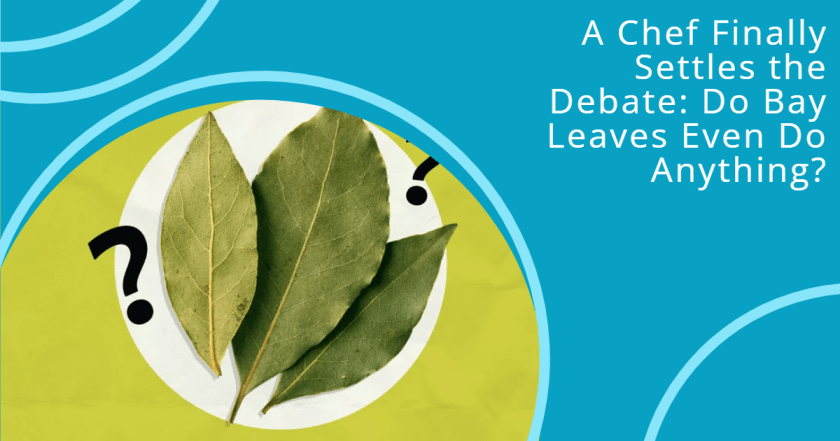
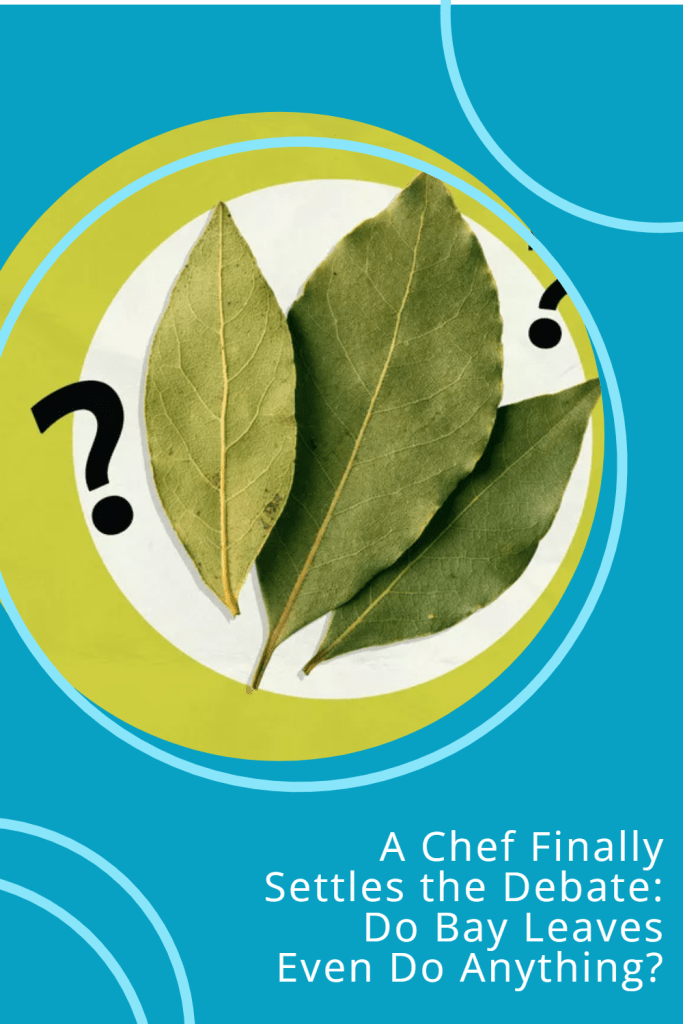
A Chef Finally Settles the Debate: Do Bay Leaves Even Do Anything?

Adding a bay leaf to your chicken soup may seem like a no-brainer—but does that little leaf really make a difference? Ask your friends who cook occasionally and most will say no, they omit them all the time. Ask professional chefs and avid home cooks, and the answer is completely different. But opinion is one thing—an actual taste test is another.

As the former test kitchen manager for a magazine and now full-time recipe developer, I did what I know best: I made a recipe and did a side-by-side blind tasting. I made Chef John’s Homemade Chicken Stock with and without a bay leaf and then tasted the broth along with other testers. The difference was noticeable, but not profound. The stock with the bay leaf had a slightly more herbal flavor and nuanced taste, but it wasn’t enough to make me think the bay leaf was crucial. 

But was my side-by-side test enough? I didn’t think so. My bay leaf was more than a year old and wasn’t very big. Another chef agreed.

“I think bay leaves are just underused or misused,” says Stephen Coggio, former farmer at The French Laundry garden and now Executive Chef at Cloud 9 Caterers in Burlington, Vermont. “They need to be toasted and they need to be used bountifully. Dried bay has very little impact whereas California fresh bay leaves should be used carefully.”

So I went back to the kitchen and made the chicken stock again. Twice. In one I used a fresh bay leaf and in the other, I used three dried bay leaves.

Allrecipes

Posted in Kitchen Tips

The One Ingredient I Never Add to Guacamole

My favorite guacamole recipes are often the simplest. You don’t need more than six or seven ingredients to make an incredible dip.

Everyone has different preferences when it comes to guac. Even in Mexico, there is no single way to make guacamole

But there is one ingredient I see in guacamoles that I tend to steer clear of when I’m making my own. It’s a common addition, one I see more often from homemade guacamoles than at restaurants.

Why I Leave Tomatoes Out

I never include tomatoes. If you like them in your guacamole, then you should add them. And I’ll still eat it because I go for any guacamole I can get my hands on. But if you come to my house, expect it without tomatoes. 

If you want to get your tomato fix, there will also be salsa and pico de gallo waiting. But tomatoes always feel a little redundant in guacamole because the citrus from your chosen fruit—whether that be limes, lemons, or oranges—adds enough acidity already.

Plus, they also contain a lot of water which can pool in the guacamole when stored. An added component I don’t really want—and they can cause any leftovers to brown quicker and separate, creating p in the container. 

If you plan to finish the guacamole the same day you make it, tomatoes are a fine ingredient to add. But I tend to skip it entirely. The texture of the tomatoes, which turns quite mushy when mashed, gets lost in the avocados.

Allrecipes

Posted in Kitchen Tips

12 Grilling Safety Tips Everyone Should Know

Warm weather calls for dusting off the grill and celebrating the summer with a backyard party. But you’ll want to brush up on these grilling safety guidelines before you grab the charcoal and get out those marinated meats and well-seasoned veggies. They’ll give you the peace of mind that your grill is appropriately set up, fired, and even extinguished, so you can enjoy the sunny outdoors while making your favorite grilled foods worry-free.

These grilling safety tips cover the safety protocols recommended for the outdoor grilling process, from beginning to end.

Taste of Home

Posted in Kitchen Tips

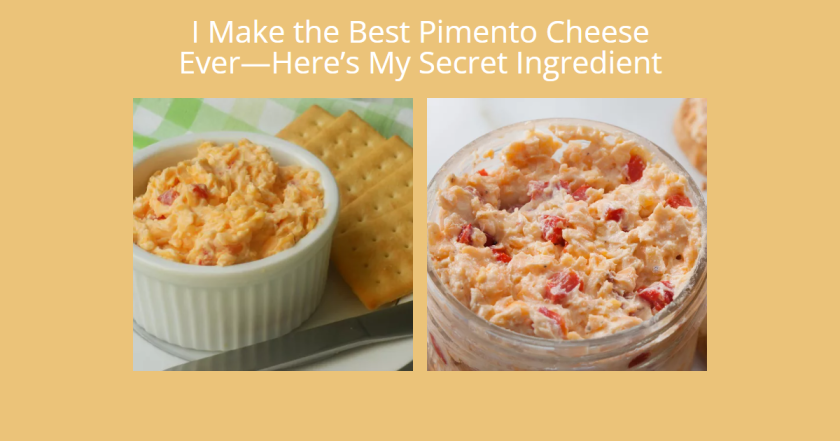
I Make the Best Pimento Cheese Ever—Here’s My Secret Ingredient

I love pimento cheese. Like really, really love it. I’d eat it every day if I could and it’s what I’d request as my last meal. I’ve made some good batches, some not-so-good batches, and some truly amazing batches, if I do say so myself. Not to toot my own horn (toot, toot), but I’ve rarely served it to someone who didn’t ask for the recipe. And now, I’m finally sharing it.

My Secret Ingredients for Better Pimento Cheese 

Over the years, I’ve perfected my craft—and discovered a few secret ingredients that take pimento cheese to the next level. My recipe starts off with the basics (cheese, mayo, pimento peppers). Then, I start to zhuzh. Here’s what I add: 

  • Pimento juice and jalapeño juice: Most pimento cheese recipes call for draining the jarred pimento liquid. Personally, I am pro-pimento juice. Just a tablespoon or two makes the flavor a lot bolder. Also, since this is my pimento cheese recipe and I love heat, I always add pickled jalapeños and a few tablespoons of the liquid they came in. 
  • Celery salt: I once added celery salt to my pimento cheese by accident, and I’m so glad I did. A generous pinch lends a fresh-tasting bite that’s mildly peppery, but not so powerful you know it’s there. Once you try it, you’ll never make pimento cheese without it again.  

Allrecipes

Posted in Kitchen Tips

An Expert Settles the Debate: This Is the Best Trick to Make Your Beans Less Gassy

Beans are magical, and not just in fairy tales. Everyone from your favorite social media chef to the U.S. Food and Drug Administration is pushing for increased bean consumption, and there’s plenty of good reason—beansare rich in protein and fiber, making them an affordable foundation for a nutritious and filling meal.

Despite their benefits, you could say beans don’t have the best reputation, thanks to their … after-effects. So, when we heard about a simple trick that helps reduce gas in beans, you bet we investigated the method.

Why Do Beans Cause So Much Gas? 

“Beans produce gas mainly due to oligosaccharides, which are complex sugars like raffinose and stachyose,” says recipe developer and food expert Rizwan Asad. “We lack the enzymes to break these down, so they end up fermenting in the gut, creating gas.”

According to our friends at Eating Well, high-protein foods contain compounds that can exacerbate gas or lactose in dairy. In beans’ case, hard-to-digest complex carbohydrates (including oligosaccharides and fiber) cause further fermentation and discomfort.  

Allrecipes

Posted in Kitchen Tips

Toss Your Butter Immediately If You Notice These Signs

Similar to flour and sugar, butter is one of those indispensable ingredients you just can’t do without. Whether to slather on toast, melt over a perfectly seared filet, or fold into a homemade batter, smart cooks keep a few sticks of butter on hand at all times. (The last thing you want to do mid-recipe is drop everything to make a mad dash to the grocery.) But how long does butter last? And how can you tell when and if it’s gone bad?

How Long Does Butter Last? 

Butter keeps longer than other dairy products, thanks to its high concentration of fat (around 80%) and low moisture level (around 16%). Salted butter has an added layer of protection since salt acts as a natural preservative, thus slowing down spoilage. But butter eventually will go bad. How and when that happens depends on where you store it.

How long does butter last at room temperature? While some believe that butter should always be stored in the refrigerator, the truth is that, if stored properly, salted butter can keep at room temperature for a few days and even up to a week. Just be sure to cover it in a butter dish so light and air don’t get in. (Light and air are butter’s enemies because they will oxidize the fat, leading to rancidity.) It’s also best not to store next to a heat source or direct sunlight. Unsalted, whipped, and unpasteurized butter should be kept in the fridge.

How long does butter last in the refrigerator? Butter can be stored in the fridge for about three months (unsalted) to five months (salted). After that you might notice a change in quality and freshness since butter can absorb other flavors and odors in the fridge. To prevent that, store it in an airtight container or well-wrapped away from other foods with strong smells. While some refrigerator models have built-in butter storage in the door, it’s recommended you store butter in a colder part of your fridge for longer shelf life.

How long does butter last in the freezer? Butter can be frozen for five months (unsalted) to nine months (salted). Just like with the fridge, you’ll want to store it in the freezer in an airtight container such as a zip-top bag, and be sure to freeze before the use-by date. To thaw frozen butter, leave it in the fridge overnight to slowly defrost. Once thawed, it should be used within a month. It’s important to remember that even if stored properly, butter that’s been frozen for months won’t taste as fresh as butter you’ve just purchased.

Everyone Should Have a Butter Bell—Here’s Why
Allrecipes

Posted in Kitchen Tips

The 3 Most Dangerous Expired Dairy Products in Your Refrigerator

Whether you’re pouring milk on your favorite cereal, marinating chicken in buttermilk, or crumbling blue cheese onto a wedge salad, dairy products are essential to our diets and cooking routines. But because of their nutrient-dense environments, milk, yogurt, and other items are also stomping grounds for bacteria and other harmful microorganisms to thrive—particularly if they’re stored incorrectly or kept past their prime. 

“When it comes to food safety, it is best to discard expired foods to prevent foodborne illness,” says Connie Elick, a registered dietician and instructor of plant-based culinary arts at the Institute of Culinary Education Los Angeles campus.

These are the three most dangerous dairy products to keep in your refrigerator past their expiration dates, according to Elick. Plus, warning signs of spoilage to look for to keep your meals worry-free and tips for prolonging the shelf life of your dairy.

Allrecipes

Posted in Kitchen Tips

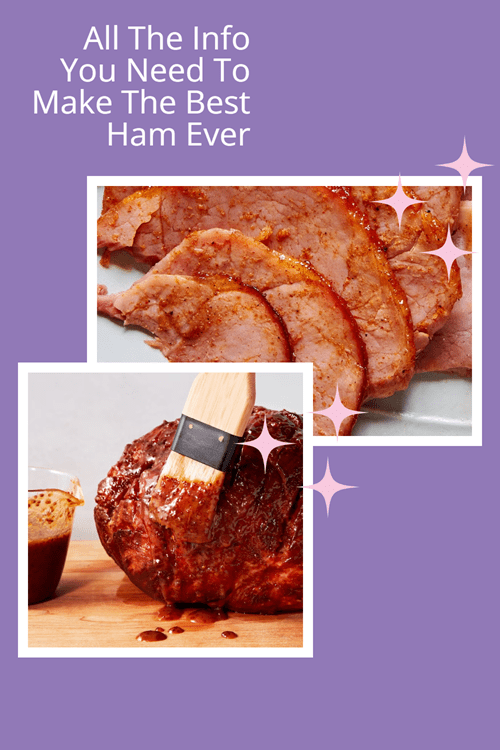
How To Make Your Best Ham Ever

Imagine your perfect Christmas spread. Is it a table full of potatoes (au gratin or scalloped are our preferred), some hearty veggies (our Brussels sprout salad or our winter panzanella are tops over here), dinner rolls, ham… Yep, ours too, with one caveat: While we can all get behind the sides (and the Christmas COOKIES), when it comes to the main event, our team is surprisingly split.

Some Delish editors say a spiral ham is the only one to buy, while others swear by a smoked whole ham and say that scoring it yourself will yield the juiciest meat. And then there’s the question of which glaze is the most classic, with everything from cherry bourbon to brown sugar on the table. Why is it so hard to find a definitive answer to which ham is the BEST ham?

Turns out, the answer lies in your preferences. It’s just as much about what you’re doing with your ham day-of as it is what you’d like to do with your leftover ham. Whether you’re in it for the perfect forkful on Christmas Eve or just the best-ever post-holiday ham sandwich, we’ve got all the info you need here to make an exceptional baked ham—even if you’ve never cooked one before. Let’s get started!

delish!

Posted in Taste Tests

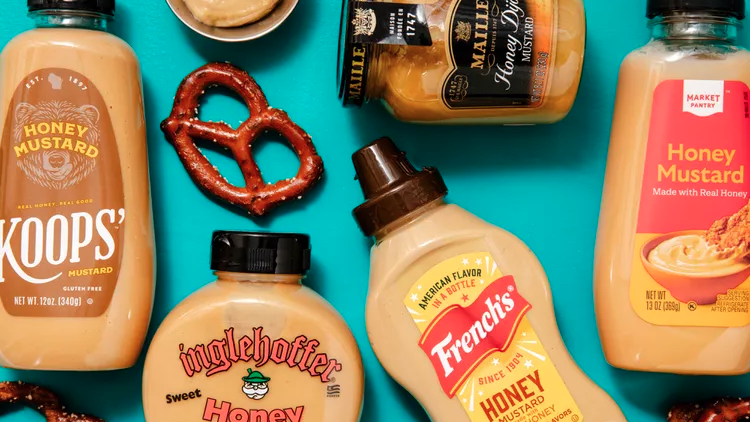
I Tried 5 Honey Mustards, and the Winner Was So Good I Ate It Straight off the Spoon

I’ve been a mustard fan my whole life. Even at a young age when everyone I knew was smitten with ketchup, I was reaching for a bottle of the tangy yellow stuff. I know it’s not a condiment for every occasion, but it’s the condiment I find myself using most often.

While Dijon and stone-ground mustards are my favorites, I have a soft spot in my heart (and belly) for a good honey mustard. It’s the unsung hero in the mustard world, and I wanted to determine which brand made the best. To find the winner, I tested five store-bought honey mustard brands to see which one had the best flavor and texture and ranked my findings.

How I Chose the Honey Mustard Brands 


Because I wanted to make sure that the honey mustard brands I tested were widely available, I put on my coat, got in my car, and went to several local grocery stores. I hit the condiment aisles and scooped every honey mustard they had. It turns out, there were only five brands total, which you’ll see tested below. 

Allrecipes