Posted in Kitchen Tips

HOW TO DEFROST GROUND BEEF

Forget the panic of realizing your ground beef is still in the freezer with dinner looming close! Discover how to defrost ground beef safely and effectively, whether you’re in need of the best way to thaw frozen ground beef slowly in the fridge or the fastest way to thaw ground beef when time isn’t on your side. This guide covers it all, helping you ensure the freshness and safety of your dishes with delicious recipe ideas to get you started.

Picture this: It’s almost dinner time, the family is getting hungry, everyone’s excited for your cooking, and suddenly, you realize your ground beef is still frozen solid. Don’t worry! Knowing how to defrost ground beef safely and quickly is something every home cook needs. Thawing your beef correctly not only ensures it stays fresh and flavorful but also keeps dangerous bacteria like at bay.

This guide walks you through the best ways to thaw ground beef, from the safest (refrigerator) to the fastest (microwave), while making sure the food quality and safety stays intact. Whether you’re planning make-ahead meals or need dinner on the table pronto, you’ll find easy, actionable tips to prepare properly thawed meat for your next hearty dish.

Pillsbury

Posted in Kitchen Tips

Stop Making This Dangerous Mistake With Your Slow Cooker

Slow cookers are almost fool-proof. If you don’t have the energy or the time to spend hours cooking dinner, this kitchen appliance can save the day. Whether you’re making a dump dinner, a stew, or a roast, slow cookers can nearly do it all. 

Slow cookers tend to be very durable, too. My family bought one decades ago and we’ve never replaced it. While all appliances experience some wear and tear over time, proper care can prevent damage and lengthen their lifespans. One mistake you might be making with your slow cooker involves the lid’s locking mechanism, which some models have. Here’s what you need to know.

Avoid This Slow Cooker Mistake 

Clamping your slow cooker’s lid shut while it’s cooking can cause pressure to build up inside the stoneware, which could affect its performance and the taste of your food, according to Crock-Pot. Most importantly, the excess pressure could also cause the lid of your slow cooker to crack, which will ruin your appliance and upend your dinner.. 

That’s because slow cookers don’t work the same way as pressure cookers. While the former uses low heat to cook ingredients over a long stretch of time, the latter uses higher temperatures and pressure from steam to get the job done. Steam escapes from slow cookers through the small vents and the edges of the lid—so if you secure the lid with a lock, a dangerous amount could build up.

Allrecipes

Posted in Kitchen Tips

Egg Beaters vs. Whole Eggs: What’s the Difference?

While most people are used to buying shell-on eggs, you’ve probably noticed cartons of Egg Beaters stocked in the same grocery store aisle. There are several varieties of these pasteurized eggs available, including whole eggs, egg whites, and types with spices or veggies added. If you’ve ever wondered about Egg Beaters and how to use them, read on for the full scoop.

What Are Egg Beaters? 

Original Egg Beaters contain 99 percent egg whites, according to the product’s website. The other 1 percent includes natural color, vitamins, and minerals designed to mimic the nutrition of whole eggs, as well as thickening agents (xanthan gum and guar gum) to help the texture replicate regular scrambled eggs. Most people enjoy Egg Beaters because they have the flavor and texture of scrambled eggs—but with fewer calories, less fat, and less cholesterol.

Allrecipes

Posted in Kitchen Tips

Toss Your Bacon Immediately If You Notice These Signs

I’ve always joked that adding bacon to a recipe is just plain cheating. Its mixture of saltiness, smokiness, and flavorful fat can take an ordinary dish from ho-hum to holy moly! (This Brussels sprouts recipe is a good example.) Of course, it’s also delicious on its own, whether for breakfast or as a crunchy snack

Bacon’s high fat content is what makes it so irresistible, but it’s also the reason it can quickly turn rancid. Spoiled bacon will ruin not only your meal, but possibly your day if you get a case of food poisoning. Here’s how you can tell if your bacon is safe to eat and also how long you should expect it to last.

How to Tell If Bacon Has Gone Bad 

  • Appearance: Fresh bacon should be a vibrant pink with marbled white fat streaks. Any significant color change is a red flag. If you see a noticeable discoloration, like a grayish, greenish, or brownish tint, throw it out immediately. In some cases, you might be able to see mold spots that are either white or black. Don’t be tempted to cut off the visibly molded parts and use the rest. Even if you can’t see mold, it could be lurking there. When in doubt, throw it out.
  • Texture: A slimy texture or stickiness on the bacon indicates bacteria is present. Slime occurs when bacteria begins to break down the meat. If your bacon is slimy or sticky to the touch, discard immediately.
  • Smell: While fresh bacon has a subtle meaty smell, bacon that has gone bad will emit a strong, unpleasant odor. A sour or sulfuric smell means that bacteria, yeast, or fungi are growing on the meat, and it needs to be tossed out.

Allrecipes

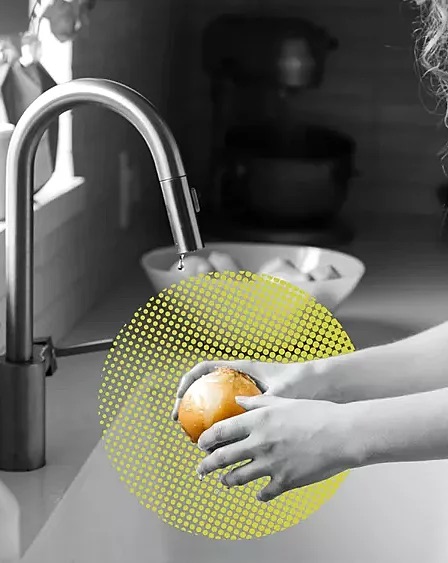
The One Ingredient You’re Probably Not Washing—and Why You Should

There are a lot of rules when it comes to cleaning your food. So many that it can become impossible to know exactly which ingredients you’re supposed to wash and how you’re supposed to do it correctly. That’s why we’re here to answer the food questions that you may have not thought about until you find yourself peeling an onion and thinking, should I be washing this?

Onions are one of the most used ingredients in the kitchen, due to their versatility and rich flavor. Think soups, stir-fries, pasta, and even hamburgers. No matter if you’re whipping up French onion dip from scratch or garnishing roasted potatoes with onions there’s one thing that we know for sure—you should be washing them before cooking.  

Allrecipes

Deadly Foods or Kitchen Folklore? 8 Food Items to Approach With Caution

As children, we’re often warned not to eat certain things because “they’re poisonous.” And I started wondering if those warnings had any basis in fact, or if they were nothing but a combination of hand-me-down myths, and an easy way for parents to scare children into behaving. As it turns out, most of the things I was told were poisonous were indeed, to one degree or another, poisonous. Though most will not cause death, they will often produce enough gastrointestinal distress that you might THINK that you’re dying.

Here are some of the most commonly cautioned food items that do, in fact, have a touch of toxicity.

Allrecipes

Posted in Kitchen Tips

13 Foods You Shouldn’t Put in the Freezer

Simply put, there are some things you should never put in your freezer. Due to their chemical makeup and how freezing affects their consistency or flavor, there are a handful of specific food items that just don’t freeze well—and could cost you time and money if you freeze them by mistake.

Fresh foods with a high water content, for example, become a soggy mess once defrosted. Eggs and many dairy products, on the other hand, lose their consistency to the point of becoming inedible once frozen.

So to help you avoid wasting food and money, here’s a list of 13 foods you should never put in the freezer.

Allrecipes

Posted in Kitchen Tips

The 6 Most Dangerous Expired Condiments in Your Kitchen, According to Experts

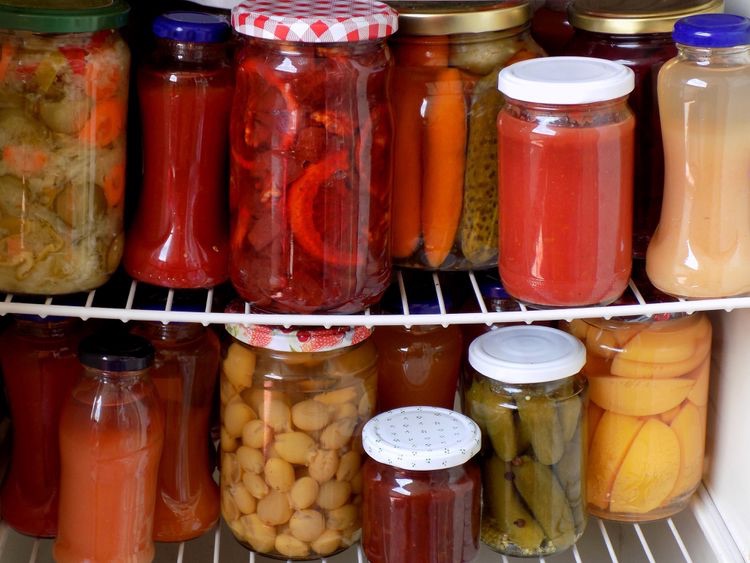
There’s no place in your fridge that holds more promise than the condiment shelf. Whether you eat them straight from the bottle or jar or zhuzh them up with pantry staples, condiments have the power to transform ingredients into palatable snacks and meals. That being said, condiments used past their expiration dates can downgrade your food by tasting flat or off—or even making you sick. Here’s what to know about the most dangerous condiments in your kitchen, including how long they’ll last once opened and the signs they’ve gone bad. 

Use these guidelines as a general rule-of-thumb for store-bought, shelf-stable condiments, which contain preservatives like salt. Homemade condiments or leftover house-made condiments from a restaurant have a much shorter timeline. So if you add a life-changing remoulade to your to-go box, make sure to eat it within a few days.

Allrecipes

Posted in Kitchen Tips

How To Make The Best Mac & Cheese Of Your Life

We are a nation of mac & cheese lovers. Whether you’re using a plastic cup in the microwave, cheese dust from a packet, or cooking it from scratch, you’ve probably made this classic comfort food at least once. But have you ever made the ultimate version?

I started making mac & cheese when I was five with help from the blue box. I’ve come a long way since then, cooking other people’s recipes and experimenting with my own. For this article, I consulted with Clare Malfitano, chef at Murray’s Cheese, to get her unique perspective. Here are my top tips for how to make the best mac & cheese of your life—because sometimes the boxed stuff just isn’t good enough.

delish

Posted in Kitchen Tips

14 Biscuit Tips from Our Test Kitchen Pros

We all love biscuits straight from the oven. Make your go-to recipe even better with biscuit tips from our Test Kitchen pros.

Make no substitutions

In a pinch, milk with a squeeze of lemon juice is a fine buttermilk substitute. However, in a simple recipe like biscuits, Prep Kitchen Manager Catherine Ward advises against it. “This is not the time for substitutions,” she warns.

Instead, be sure to add buttermilk and all the appropriate ingredients to your grocery list. Your biscuits will taste better for it. If you run out of it, then here are a few substitutes for buttermilk that taste the same.

Use good butter and dairy

“Use the best butter you can afford,” Catherine recommends. Because biscuit recipes call for so few ingredients, it’s important that every one is high quality—you’ll really taste the difference.

Catherine recommends splurging a bit on a grass-fed butter or European-style butter (now’s the time to reach for Kerrygold!). Same goes for buttermilk and cream. Snag a pint of the good stuff.

Taste of Home