
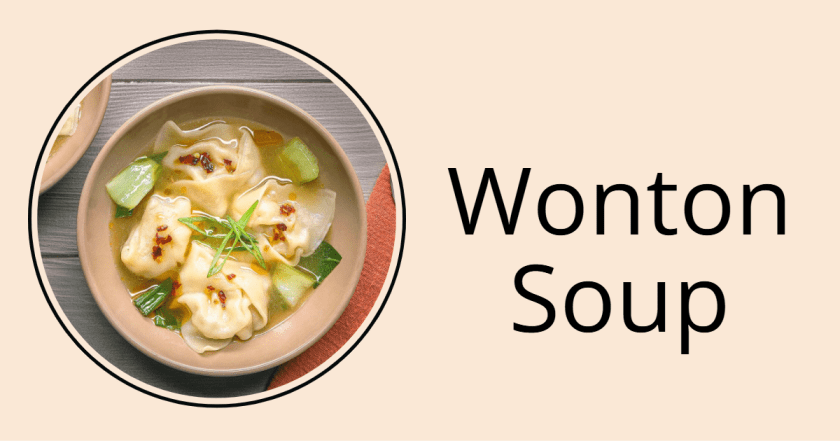
With its small, slippery dumplings and flavorful broth, wonton soup is comfort food at its best. Our wonton soup recipe includes pork-and-shrimp wontons with silky wrappers that bob around in a soothing chicken broth with tender baby bok choy. You can bulk up the soup with a copious amount of wontons or make a lighter, healthier version with more of the leafy greens.
Making wontons is a process, but it’s worth the effort. Gather with family or friends for a dumpling-wrapping session. The filling comes together easily, and once you get into the rhythm of wrapping, you’ll surprise yourself with how quickly you’ve mastered it. Make a large batch of wontons to stock your freezer; that way, you’ll always have some available for a quick snack or meal.
What is wonton soup?
Wonton soup is a classic soup recipe with a light broth and small, bite-sized dumplings. The thin, smooth wheat-based wrappers surround savory fillings, the most common of which are pork or a mix of pork and shrimp. The meat is seasoned with a dash of Shaoxing wine, fresh green onions, fragrant ginger and nutty sesame oil. Coarsely chopping the shrimp allows you to see and taste them in the filling.
How to Make Homemade Wontons
The main tip for successful wonton wrapping is to set up your workstation before getting started. Stay organized by dividing the filling into two or three containers, and setting one container in a bowl of ice to keep it chilled as you work (store the others in the fridge). Keep the wrappers covered with a damp towel or storage wrap so they don’t dry out as you assemble. Have a sheet pan or two lined with parchment or wax paper, or lightly dusted with flour to land the wontons.
Wrap one wonton at a time until you get into a rhythm. Then, create an assembly line by placing two (or more) wrappers before you. Top each with a scoop of filling and moisten the wrappers. Wrap up the filling and transfer the wontons to the sheet pan.
Wonton Soup Ingredients
- Pork: Ground pork is the most common meat used for a basic wonton filling, but you can also use ground chicken if you prefer.
- Shrimp: Another common addition is chopped shrimp, which makes wontons more luxurious. Use uncooked fresh or frozen shrimp that has been cleaned and deveined.
- Green onions: Green onions add color and a fresh flavor to the filling. It does double duty as an optional—but highly recommended—garnish in the broth. Smaller, slender green onions are sweeter and more delicate than larger ones.
- Gingerroot: Fresh ginger is a common aromatic in Chinese dishes. Minced ginger is more easily incorporated into the filling, and a chunk of ginger used to flavor the broth is easier to fish out.
- Soy sauce and salt: Soy sauce provides umami, while salt adds a cleaner, purer salty flavor to the filling and broth. We like to use reduced-sodium soy sauce to keep the salt content in check.
- Shaoxing cooking wine: Shaoxing wine, used to flavor the filling and broth, is a slightly sweet Chinese rice wine with briny notes. This pantry staple adds fragrance, umami and complexity to marinades, sauces and braises. Look for ones that are amber in color and not clear. Store it in a cool, dry place for up to a year or in the refrigerator if you want to store it longer. Dry sherry or sake are suitable substitutes if the recipe calls for a small amount and you can’t find Shaoxing wine or don’t want to buy a whole bottle.
- Sesame oil: Sesame oil provides a rich, nutty flavor and aroma. Look for sesame oil labeled as toasted or roasted.
- Pepper: Ground peppercorns add another flavor to the filling. You can use white or black pepper; white pepper has an earthier and sharper flavor than its black counterpart.
- Wonton wrappers: Wonton wrappers are thin, square sheets of dough made from wheat flour, salt, water and sometimes cornstarch, egg or yellow food coloring. Be sure to use wonton wrappers, not dumpling, egg roll or spring roll wrappers. Look for them in the refrigerated section (wonton wrappers sold in Chinese markets are often thinner than the ones in American grocery stores and will make more delicate wontons). Avoid packages that show broken pieces or torn wrappers—they’re old and dried out. It’s helpful to buy more than one package if the one you purchased is dried out. You can always throw the other package in the freezer.
- Chicken broth: Chicken broth is the customary base for wonton soup. To control the saltiness, use reduced-sodium chicken broth or homemade chicken broth if you have it. Avoid chicken broth with herbs or spices that don’t jive with Asian flavors.
- Sugar: We sweeten the soup with sugar to balance it out.
- Baby bok choy: Bok choy is a Chinese leafy green with mild-flavored, tender leaves and a crisp, smooth, sweet stem. You’ll find bok choy in all sorts of stir-fry and soup recipes. Look for bright-colored leaves and firm stems. Wash it well, as dirt likes to hide in the stems.
- Hot chili oil: The optional hot chili oil provides a nice spicy kick to the soup. Chili oil and chili crisp are different, but you can use chili crisp if that’s what you have. Adjust the spice level to your taste.


 Good Food, Good Meat, Good God, Let's Eat!