

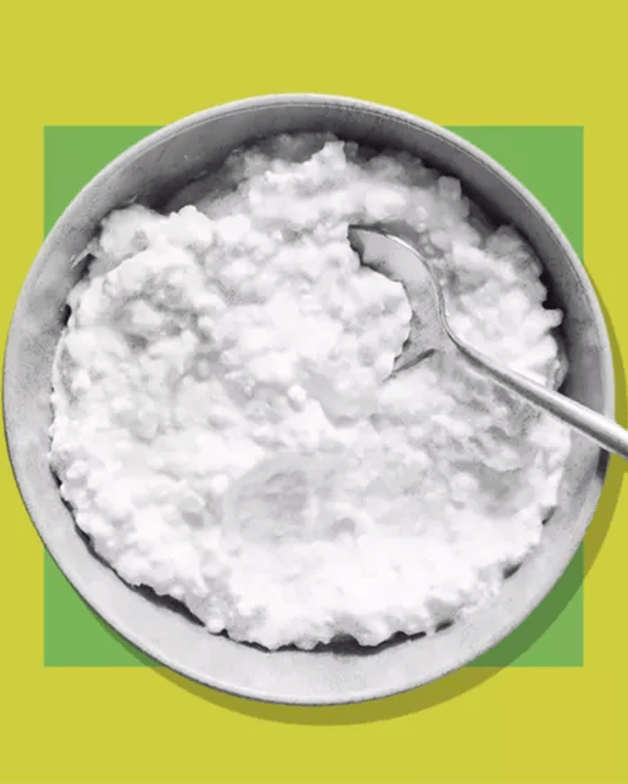
Cottage cheese is a soft, fresh cheese known for its high protein and calcium content. It is also a versatile ingredient that can be enjoyed as a snack and an ingredient for a variety of savory and sweet dishes.
Cottage cheese has a shelf life of one week in the fridge when opened and two weeks if unopened. Since it is a perishable product, you might wonder whether it is worthwhile to stock up on it at grocery store sales and what to do with the leftovers when you have too much.
Can You Freeze Cottage Cheese?
You’ve probably have heard mixed messages aboutfreezing cottage cheese. While USDA guidelines don’t recommend freezing cottage cheese, some home cooks and culinary chefs disagree.
Generally speaking, cottage cheese comes in two main types: dry-curd options and varieties with milk or cream. Dry-curd cottage cheese is basically the curds without lactose, which are removed using a higher-heat cooking process. (Note: It’s similar to but not the same thing as farmers cheese.) Because dry-curd products are, well, dry, they freeze better than cottage cheese swimming in milk or cream—which is the most common variety sold in tubs at grocery stores.
Cottage cheese with milk or cream is a high-water-content dairy product regardless of how much fat it has (for example, full-fat versus low-fat products). If frozen, the liquid turns into ice crystals. And when the cottage cheese is thawed, the ice crystals transform into liquid, causing the curds to become a grainy texture. However, full-fat cottage cheese tends to freeze better than the fat-free variety due to its higher fat content, retaining a creamier texture when thawed.
So if you don’t mind the grainy texture of thawed cottage cheese, then it is perfectly fine to freeze it to enjoy later. Defrosted cottage cheese is best used for cooked dishes such as lasagna, casserole, and breads.
Allrecipes
Discover more from Good Food, Good Meat, Good God, Let's Eat!
Subscribe to get the latest posts sent to your email.

 Good Food, Good Meat, Good God, Let's Eat!