Posted in Kitchen Tips

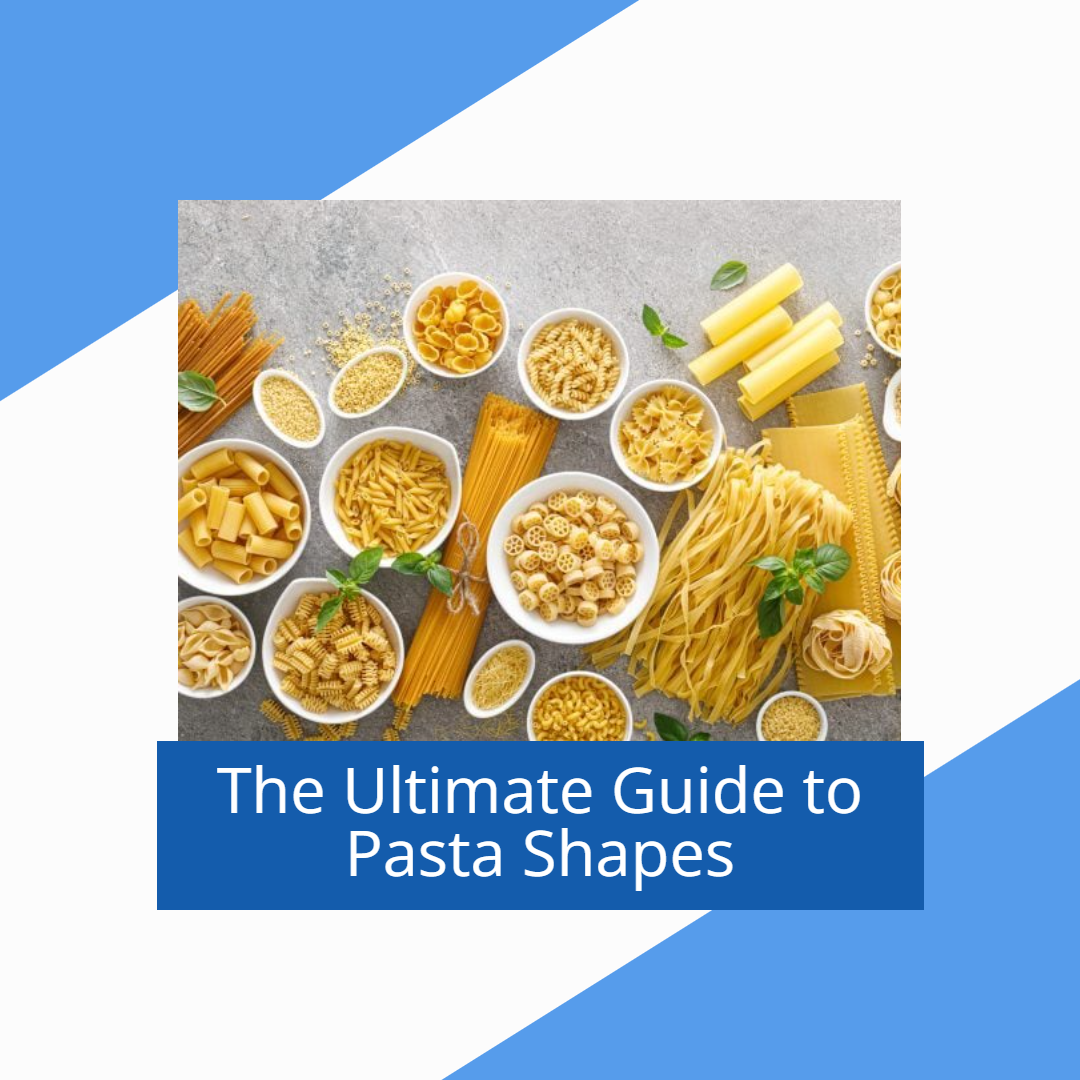
The Ultimate Guide to Pasta Shapes

The grocery store is packed with pasta shapes. Before you reach for a box, learn about what makes each shape different and which recipes work best with your go-to noodle.

Various kinds of uncooked pasta and noodles, some in white bowls, on stone background, top view
YelenaYemchuk/Getty Images

There’s a reason making pasta is so much fun—there are tons of pasta shapes to choose from! Whatever kind of sauce you’re in the mood for, like pesto, cream, marinara or meat sauce, there’s a noodle shape that suits it perfectly. You can take it one step further and choose between fresh or dry pasta too.

Long, smooth noodles prefer lighter sauces or a simple coating of olive oil and herbs. Thick, ribbon-like noodles or ridged pasta can hold more weight, and they keep the sauce on your noodles instead of at the bottom of the bowl. Tubular pasta is ideal for baked dishes like casseroles. Because the shapes, sizes and thickness varies so much, each type of pasta will have different cook times. Check the directions on your pasta box for perfectly al dente noodles.

If you’re using a pasta maker to shape your homemade pasta dough into noodles, tubes or shells, here’s a whole list of fun shapes to try. One ball of dough can make dozens of different dishes!

Taste of Home

Posted in Kitchen Tips

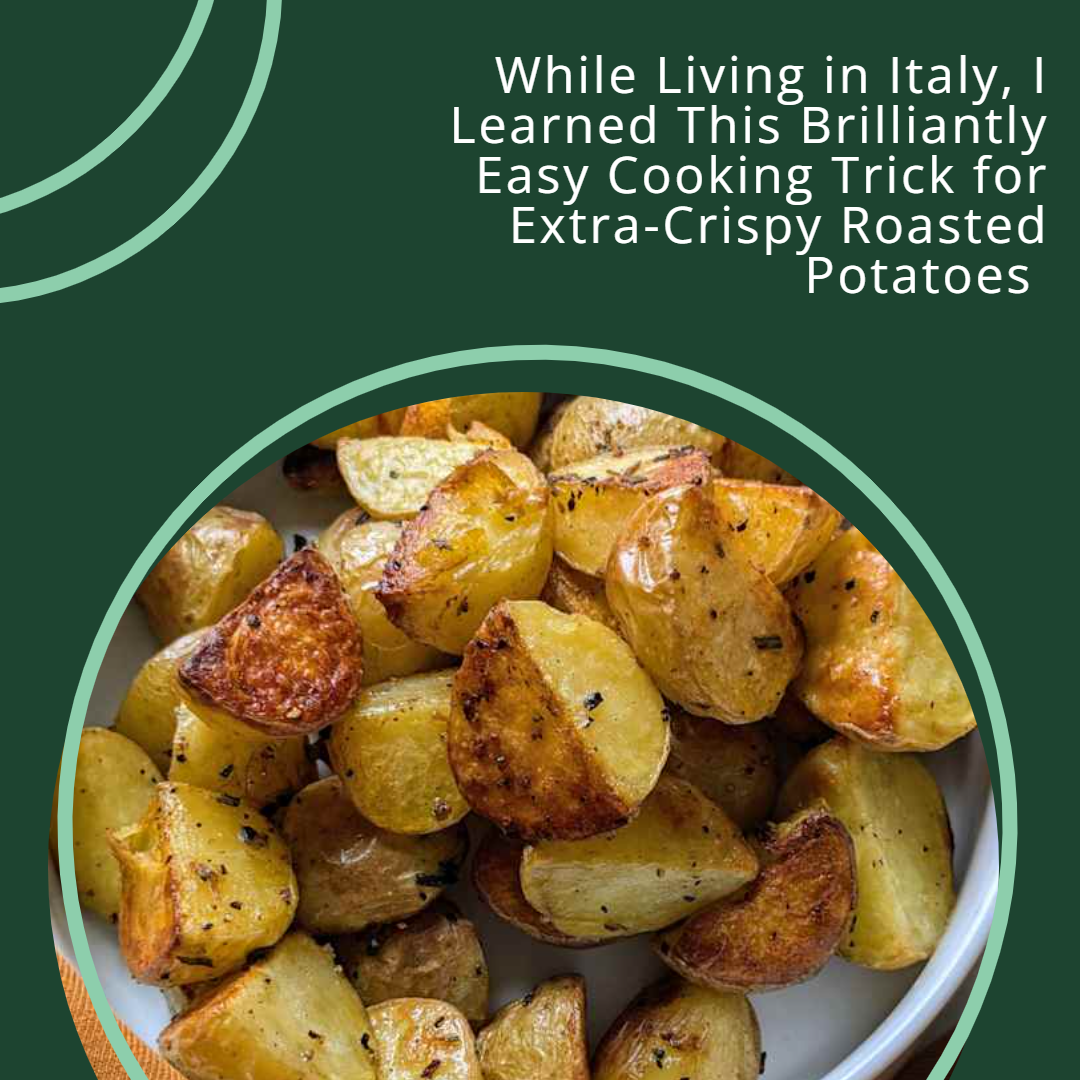
Crispy Rosemary Roasted Potatoes Made Easy

I learned a ton during my brief restaurant stage in Barbaresco, Italy, but one trick alone was worth the plane ticket and hours of (unpaid) work. I discovered the secret to incredible rosemary roasted potatoes that boast a crispy brown exterior and creamy insides — and, miraculously, they don’t stick to the pan. They’re a cinch to make at a moment’s notice and the cleanup is so easy. Rosemary roasted spuds have become my go-to side dish for everything from roast chicken to pan-seared steak

There are a million recipes for roasted potatoes out there, from the British-style boil-them-first “roasties” to simple sheet tray versions with a rainbow of seasonings, but they all fail for me in one important way: They tend to stick to the pan. No matter how much oil I use, or how much I stir them, I end up jabbing at the spuds with a spatula to loosen them from the pan, often leaving behind the crusty bits I was most excited for. The trick I learned in Italy remedies this and produces the best roasted potatoes I’ve ever had. It’s so simple, I can’t believe I hadn’t thought of it before: Preheat the roasting pan. 

The Kitchn

Posted in Kitchen Tips

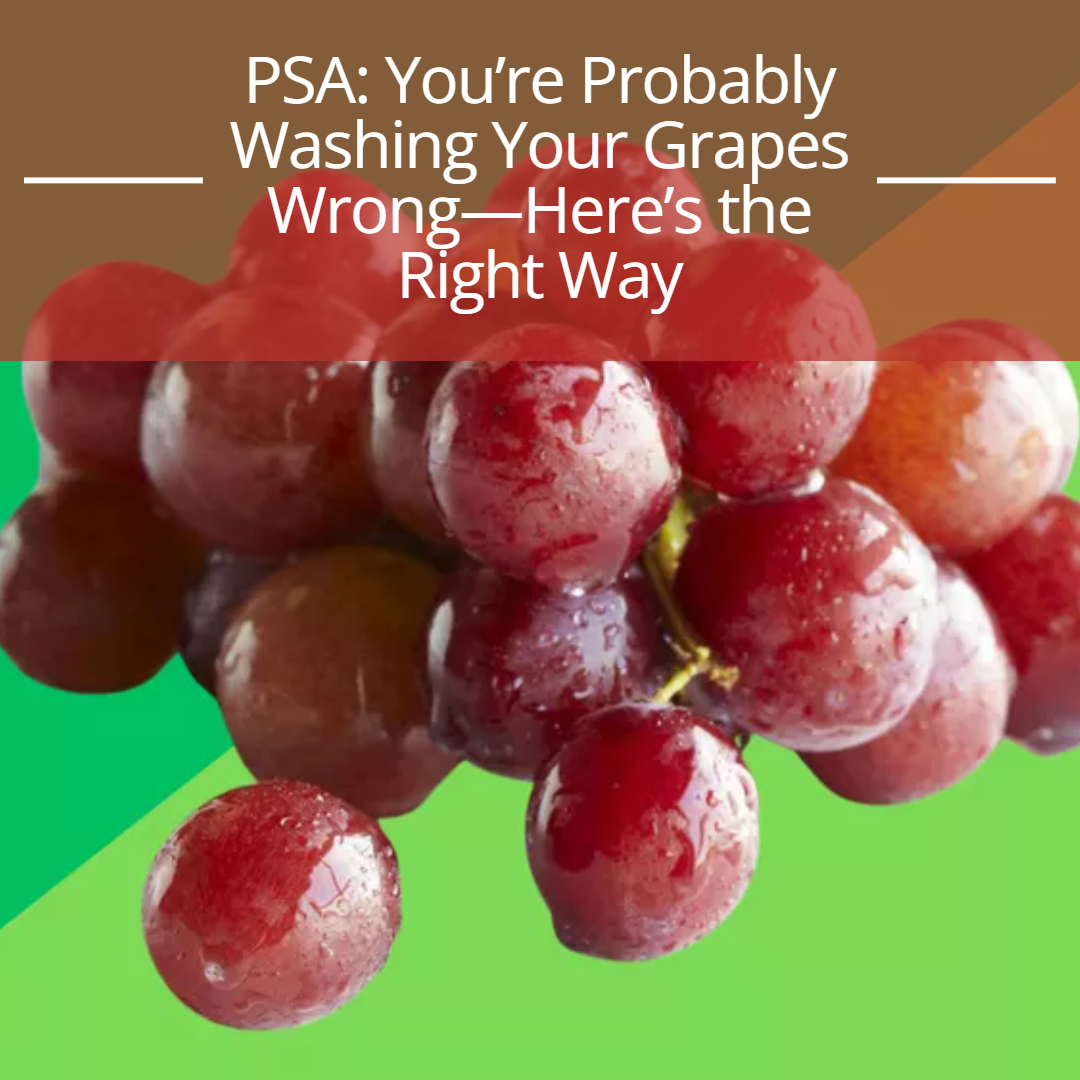
PSA: You’re Probably Washing Your Grapes Wrong—Here’s the Right Way

Grapes are a perfect fridge staple. They’re handy to have on hand for a fruit salad, a lunch you’re packing for school or work, or directly from the bowl whenever you need an extra boost of energy. But, whether they come straight from the farmers’ market or the grocery store, you don’t want to gobble those grapes up right away. They’ll first need a little love and attention before they’re safe enough to snack on.

Do You Really Need To Wash Grapes?

Yes! Grapes are part of the “Dirty Dozen,” a list compiled annually by the Environmental Working Group (EWG) to identify the foods most contaminated with pesticides. While the use of pesticides in farming is essential for protecting crops, they’re certainly not the healthiest for us to consume. According to the EWG, as of 2025, grapes are the fourth most contaminated crop, ranking behind only strawberriesspinachkale, and other leafy greens.

If you buy organic produce, this may be less of a concern since organic produce generally contains fewer pesticide residues. However, buying organic can add up fairly quickly, so not everyone can opt for them.

Allrecipes

Posted in Kitchen Tips

The Internet Taught Me the Best Tip for Using Tomato Paste

Wasting food, even just a tablespoon or two of something, doesn’t sit well with me. I keep small amounts of leftover vegetables in a freezer container to use for chicken pot pie. I make breadcrumbs from stale bread. I freeze overripe fruit to use in smoothies or cocktails. Of course, I never throw away a Parmesan rind

Before you think I sound like a perfectionist, I am the first to admit that I’m far from perfect. Some veggies do die in the crisper drawer. The final serving of a casserole that gets shoved to the back of the fridge often goes unnoticed until it’s too late. And one food that I seem to waste more than I’m proud to admit is tomato paste.

I often open a 6-ounce can of tomato paste that doesn’t get entirely used up in whatever recipe I’m cooking. Then the leftover tomato paste goes into a container and, like that final serving of a casserole, makes its way to the back of the fridge until it’s inevitably found with fuzz on the top.

And yes, I know the trick of spooning tomato paste into ice cube trays, freezing them, and then popping out the cubes to live in a freezer-safe bag until needed, but that’s three whole steps. Please don’t judge me, but that’s two more steps—despite good intentions—than I’m likely to do. Plus, who wants to stain their ice trays with tomatoes?

So when I saw a simple tip on TikTok to freeze tomato paste by the tablespoon that has just one step and no extra equipment, I thought it was genius.

Allrecipes

Posted in Kitchen Tips

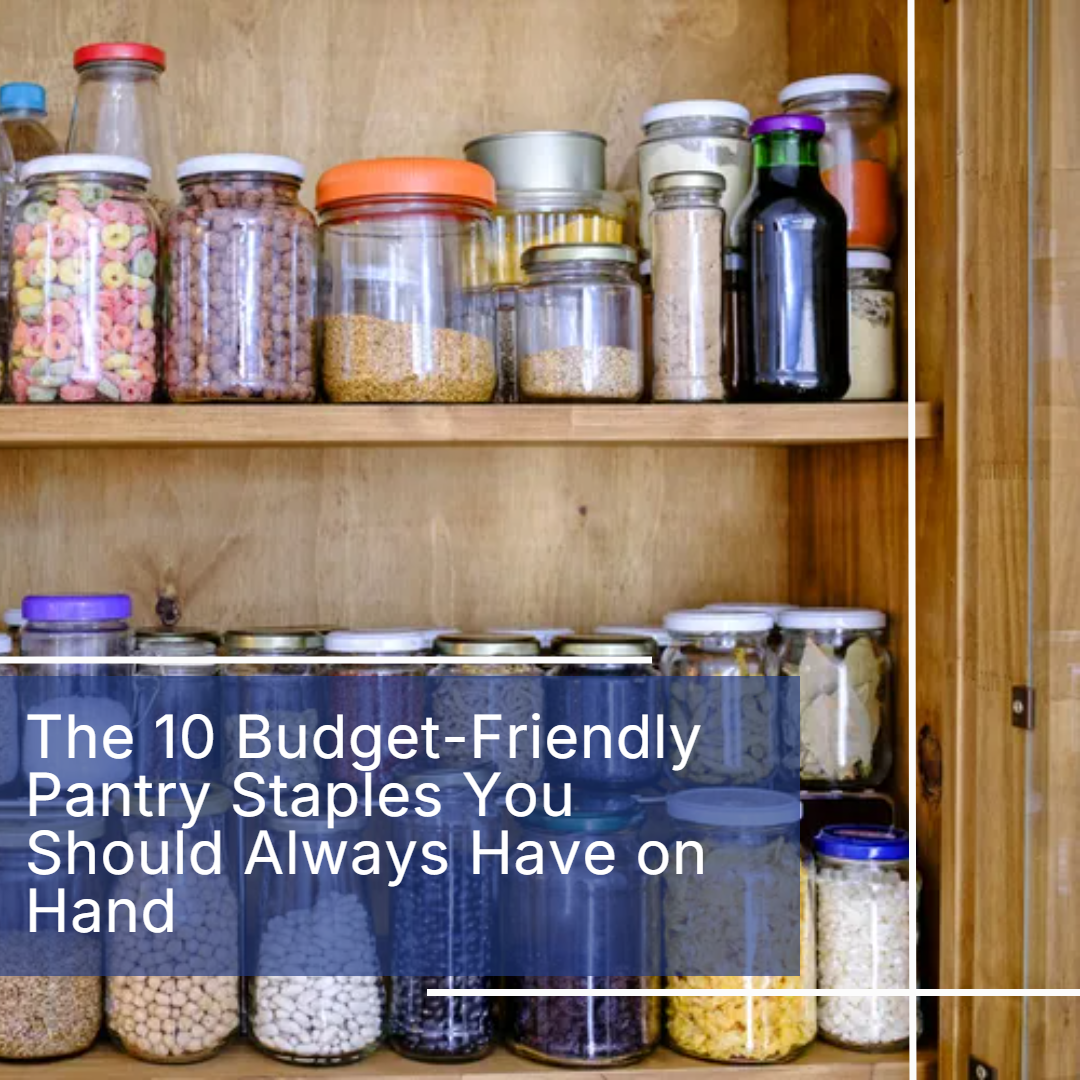
The 10 Budget-Friendly Pantry Staples You Should Always Have on Hand

Grocery shopping can be expensive. Who among us doesn’t know the feeling of coming home, looking at your bill, emptying the bags, and immediately thinking, “Did I even buy something to make for dinner?”

A simple way to cut down on your grocery bill is to keep your pantry stocked with inexpensive, essential items that can mix and match with any number of foods for endless meals.

Cheap doesn’t mean flavorless or flavor-free. No, this list of budget-friendly pantry essentials is designed to pack plenty of flavor and nutrition into everything it helps make. Stocking these wallet-friendly essentials will save you money, and it will also help you be a more agile cook, one that’s ready to adapt at a moment’s notice instead of going out for expensive takeout. Check out our list of must-have, budget-friendly pantry items and how you can use them in everyday meals.

Allrecipes

Posted in Kitchen Tips

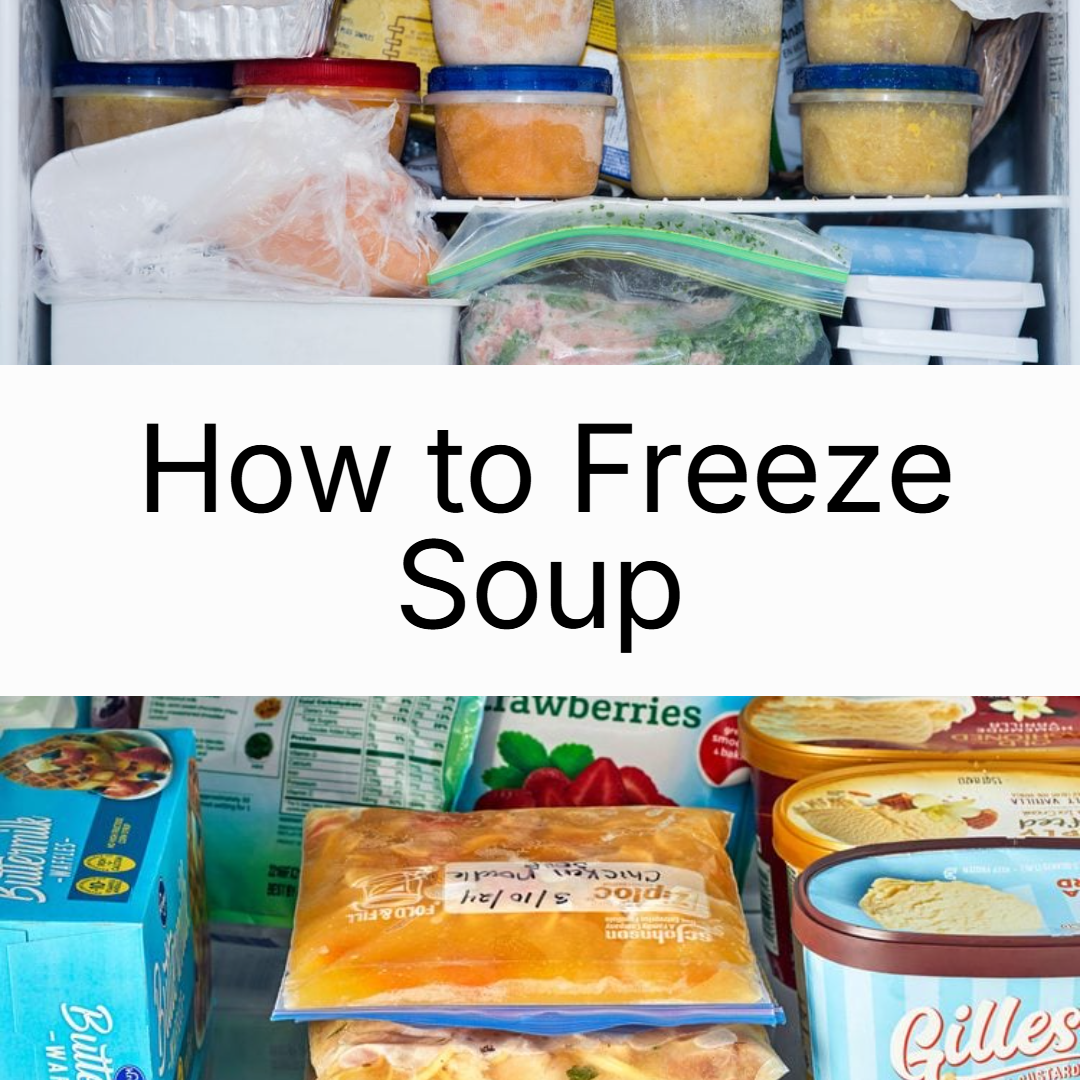
How to Freeze Soup

Soup is the ultimate make-ahead meal. Because most homemade soups can be stored in the freezer for at least three months, it’s a great dish to make on a Sunday afternoon and enjoy for weeks to come. However, learning how to freeze soup isn’t as simple as tossing your chicken noodle in the icebox.

Here are a few tricks to freezing soup that ensure it’ll taste delicious after it’s thawed.

How to Freeze Soup

Hand using a ladle to transfer soup into a plastic freezer bag from a pot in a kitchen setting
Taste of Home

Step 1: Pick a small portion size

Freezing soup in one- or two-person portions helps the soup freeze faster. It’s the perfect size for a make-ahead lunch or dinner, too.

Step 2: Choose the right container

  • If you don’t like to wait for soup to thaw: Try the round, reusable kind like freezer-safe Twist ‘n Loc containers from ZiplocWhen you’re ready to eat, run cold water over the outside of the container to loosen. The soup will pop right out into a stockpot or Instant Pot for easy reheating. You can also try Souper Cubes, which are like ice cube trays but for soup servings.
  • If you want to maximize freezer space: Ladle cooled soup into freezer-safe quart- or gallon-sized plastic bags. Freeze flat and stack once the soup is fully frozen. (This is one of our favorite freezer organization tips!)

Taste of Home

Posted in Kitchen Tips

The 6 Best Freezer Containers for Soup of 2025

We’re firm believers that every season is soup season, especially when it’s so easy to freeze your favorite recipes. The key to freezing soup is to first make sure it’s freezer-friendly, like this list of soups you can freeze. The second step is finding the best freezer containers for soup. Food storage containers that make removing frozen soup a breeze are ideal (you’ll thank yourself later). Bonus points if they freeze more than just soup. Read on for our best picks and check out these genius refrigerator organizing ideas for more tips.

Taste of Home

Posted in Kitchen Tips

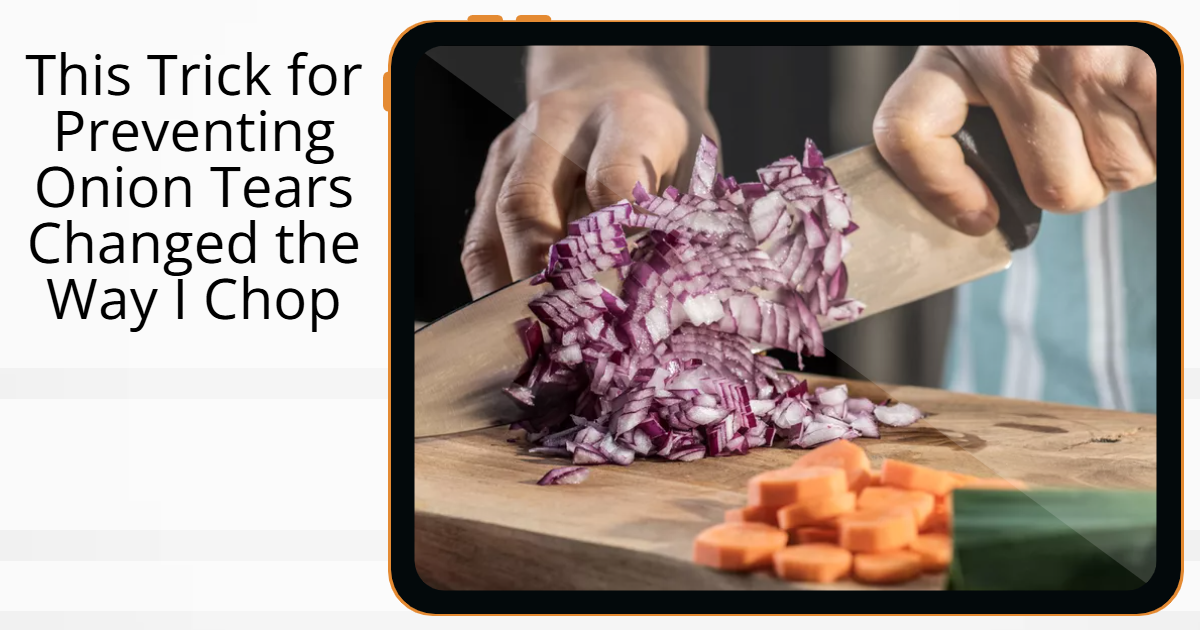
This Trick for Preventing Onion Tears Changed the Way I Chop

When it comes to slicing onions, there is no middle ground for me when it comes to onion tears. For some reason, I always get an extreme case. This has been the case my entire life, with any type of onion, and it happens every single time. It makes for some awkward moments in the kitchen. My eyes completely well up at a rapid pace, and I truly can’t see a thing. I need to pause everything, give my eyes a serious pat down with cold paper towels, and then grab tissues for my runny nose. 

I’m not sure if this condition is genetic, scientific, or if onions just know I’m already a big cry baby by nature. But when I know I’m going to have to slice an onion, I can feel it staring at me from my produce bowl, like it’s waiting to attack. I’d be lying if I said there haven’t been moments where mascara is involved, where I’ll ditch the onion all together and find a replacement in order to avoid the drama. This is why I was so incredibly relieved when I finally discovered a trick to prevent onion tears that actually works. The curse has been broken, and now it’s my duty as a cook and writer to spread the word!

Allrecipes

Posted in Kitchen Tips

Here’s Every Type of Pepper You Need to Know

As for heat, you certainly can’t substitute a Scotch Bonnet for an Anaheim and expect the same results!

This guide to need-to-know pepper varieties will help you navigate grocery stores and farmers markets so you’ll pick just the right pepper for your dish—whether you’re looking for mild, medium or flaming hot.

guide to peppers_heat graphic_1200x1600
Sydney Watson/Taste of Home
Continue reading “Here’s Every Type of Pepper You Need to Know”