
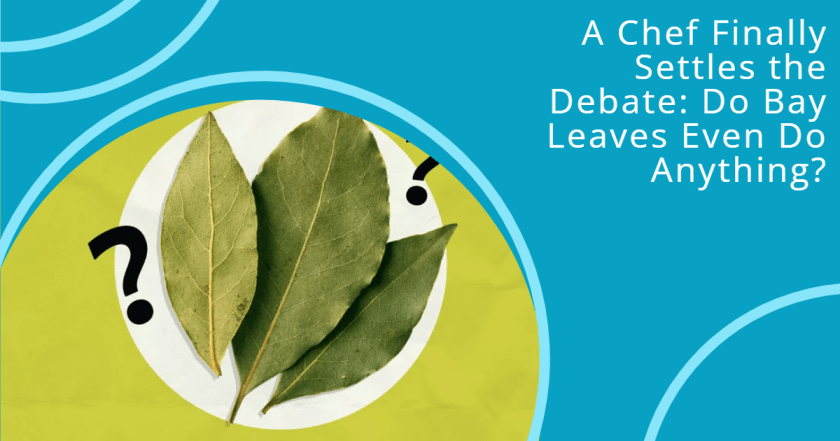
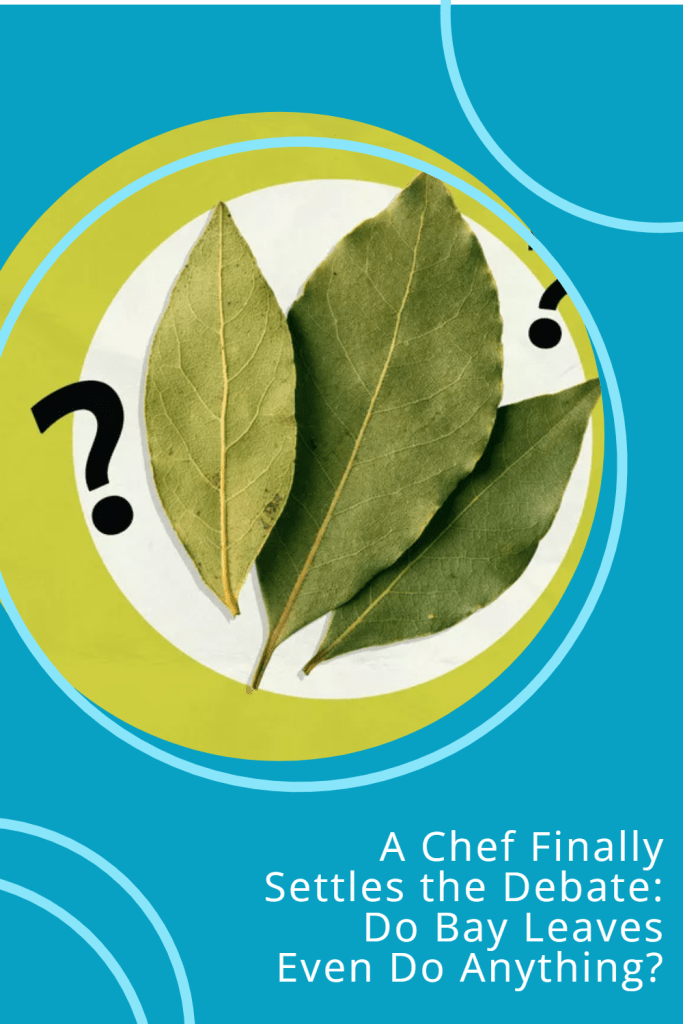
Adding a bay leaf to your chicken soup may seem like a no-brainer—but does that little leaf really make a difference? Ask your friends who cook occasionally and most will say no, they omit them all the time. Ask professional chefs and avid home cooks, and the answer is completely different. But opinion is one thing—an actual taste test is another.
As the former test kitchen manager for a magazine and now full-time recipe developer, I did what I know best: I made a recipe and did a side-by-side blind tasting. I made Chef John’s Homemade Chicken Stock with and without a bay leaf and then tasted the broth along with other testers. The difference was noticeable, but not profound. The stock with the bay leaf had a slightly more herbal flavor and nuanced taste, but it wasn’t enough to make me think the bay leaf was crucial.
But was my side-by-side test enough? I didn’t think so. My bay leaf was more than a year old and wasn’t very big. Another chef agreed.
“I think bay leaves are just underused or misused,” says Stephen Coggio, former farmer at The French Laundry garden and now Executive Chef at Cloud 9 Caterers in Burlington, Vermont. “They need to be toasted and they need to be used bountifully. Dried bay has very little impact whereas California fresh bay leaves should be used carefully.”
So I went back to the kitchen and made the chicken stock again. Twice. In one I used a fresh bay leaf and in the other, I used three dried bay leaves.
Allrecipes
Discover more from Good Food, Good Meat, Good God, Let's Eat!
Subscribe to get the latest posts sent to your email.

 Good Food, Good Meat, Good God, Let's Eat!