Posted in Skillet Meals

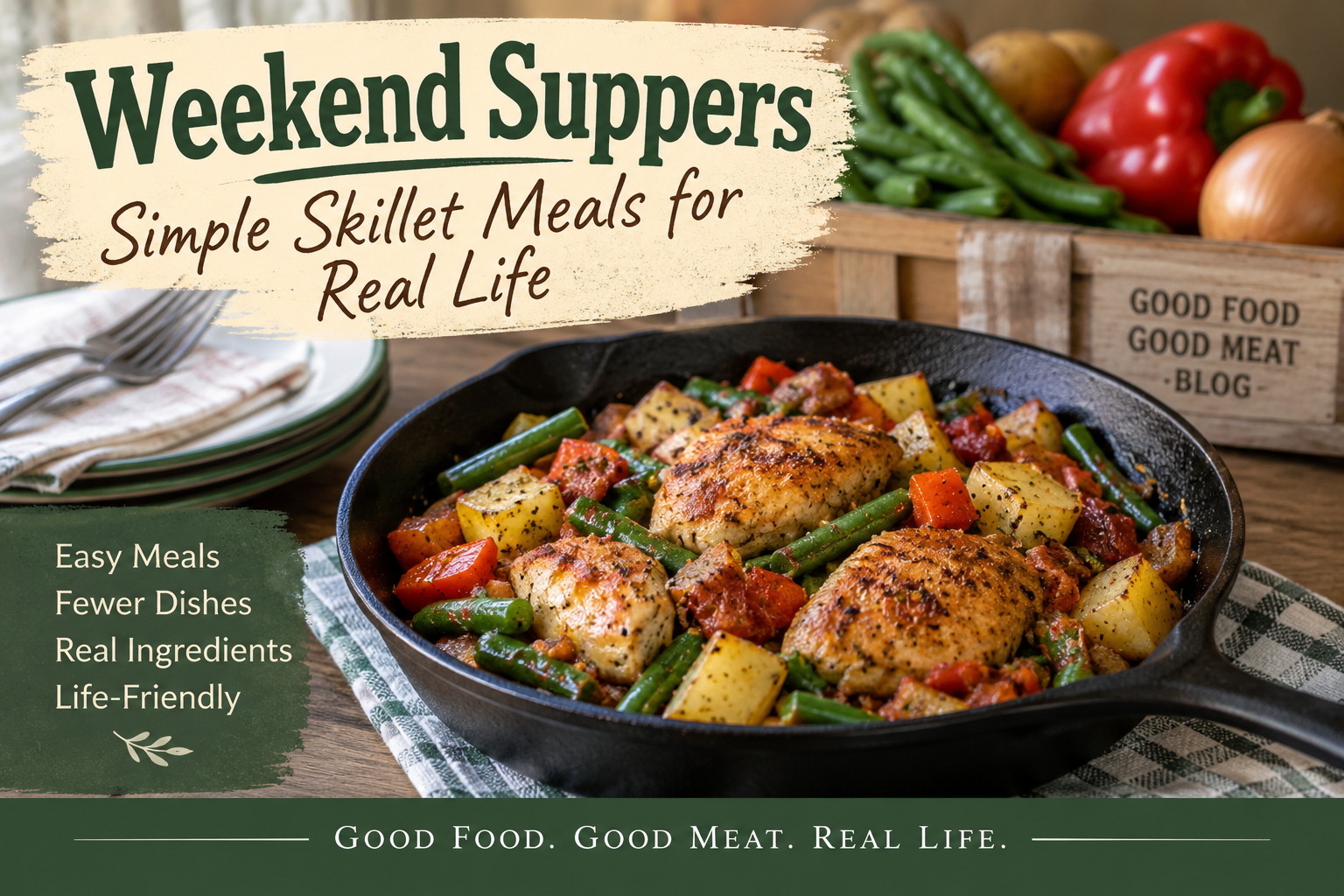
Weekend Suppers: Simple Skillet Meals for Fall

There is something wonderfully practical about a skillet supper.

One pan. A handful of ingredients. Enough food for supper without ending up with a refrigerator full of leftovers.

And as September winds down and we head into October, skillet meals are especially welcome. They’re hearty enough for a cool evening, but they don’t require the oven to be running for an hour.

So, this week’s Weekend Suppers is all about simple skillet meals — the kind of dinners that make sense when you’re cooking for one or two.

Three Skillet Suppers to Try

🍗 Chicken & Veggie Skillet

Chicken and vegetables come together in one skillet for a simple supper that doesn’t require a lot of ingredients or complicated preparation.

This is a good choice when you’re looking for something that’s satisfying without being especially heavy.

Main Protein: Chicken
Meal Category: Skillet Meals


🥔 Sausage & Potato Skillet

If you’re looking for something a little heartier, potatoes and sausage make a classic combination.

This is the kind of supper that feels right as the weather starts cooling down — filling, familiar, and made in one pan.

Main Protein: Sausage
Meal Category: Skillet Meals


🍚 Cajun Sausage & Rice Skillet

Sometimes you want a skillet supper with a little more personality.

Sausage and rice make this one filling enough for supper, while the Cajun seasoning brings a little extra flavor to the table.

And because it’s a skillet meal, cleanup stays pleasantly simple.

Main Protein: Sausage
Meal Category: Skillet Meals


More Skillet Suppers

If those three don’t quite fit what you’re hungry for, there are more skillet meals in the Good Food Good Meat kitchen.

🧀 Philly Cheesesteak Skillet

All the familiar flavors of a cheesesteak in an easy skillet meal.

🌭 Easy Sausage & Potato Skillet Dinner

Another sausage-and-potato option when you want a straightforward, budget-friendly supper.

🥬 Beef & Cabbage Skillet

Beef and cabbage are a particularly good pairing when you’re looking for a simple meal built around inexpensive ingredients.


Why I Keep Coming Back to Skillet Meals

Skillet meals solve a lot of the problems that come with cooking for one or two.

You don’t need a big roasting pan.

You don’t have to make a recipe designed for six people and figure out what to do with the leftovers.

And most of the time, you can get dinner on the table with one pan to wash.

That’s a pretty good combination.

They’re also flexible. A little leftover cooked meat, a potato or two, some vegetables, and a handful of rice or pasta can often become the foundation for supper.

That’s practical cooking.

And practical cooking is what Good Food Good Meat is all about.

Cooking for One or Two

When you’re cooking for a smaller household, don’t be afraid to scale a skillet recipe down.

You may not need to cut every ingredient exactly in half. Sometimes it’s easier to make the full amount of one component — such as cooked rice or potatoes — and use the leftovers in another meal.

That’s one of the easiest ways to make a small kitchen work harder without making your cooking feel like a production.

Your Turn: Pick a Skillet for Supper

Which one sounds good tonight?

Pick a skillet, grab what you have on hand, and put supper on the table.

If you make one of these recipes, I’d love to know which one you chose — and what you thought of it. And if you have a favorite skillet supper of your own, share it in the comments.

Sometimes the best recipes are the ones that become regulars simply because they’re easy, affordable, and good enough to make again.

Looking Toward October

This is our final Weekend Supper of September, and we’ve spent the month thinking about Harvest & Putting Things Back — taking advantage of seasonal food, preserving what we can, and thinking ahead to the meals those foods can become.

Tomorrow, we’ll begin the final week of the series by looking at one of the most familiar foods to preserve from the late-summer harvest:

tomatoes. 🍅

But before we start putting tomatoes into jars, we’re going to talk about something that every new home canner needs to understand:

Why can some foods be processed in a boiling-water canner while others cannot?

That’s an important question, and understanding the answer is more useful than simply memorizing a processing time.

For tonight, though, let’s keep it simple.

Grab a skillet and make supper.

Posted in Pork Meals, Seasonal

Pork & Cabbage Rustic Bowl

Tender pork, cabbage, potatoes, and simple pantry ingredients come together in a hearty small-batch bowl that makes good use of what you already have on hand.

Introduction

Not every meal that comes from the pantry needs to be a soup.

Sometimes you want something a little more substantial—a bowl of food with distinct ingredients, different textures, and enough variety that it feels like a complete meal.

That’s where this Pork & Cabbage Rustic Bowl comes in.

It’s the kind of meal I like for a small household because it doesn’t require a huge roast or a refrigerator full of leftovers. A modest amount of cooked pork can be stretched with cabbage, potatoes, onion, and a few pantry staples.

And if you’ve been putting a little back through dehydration, some of those ingredients can come straight from your pantry.

This is rustic food in the best sense: simple ingredients, simple cooking, and very little fuss.

Why You’ll Love This Recipe

  • Small-batch friendly — Makes two generous servings.
  • A great use for leftover pork or cooked pork from another meal.
  • Uses pantry staples along with fresh cabbage.
  • Flexible enough to use dehydrated vegetables.
  • One skillet meal with minimal cleanup.
  • Budget-friendly because a small amount of pork stretches across two meals.
  • Comforting without being complicated.
simplegoodfood's avatarsimplegoodfood

Pork & Cabbage Rustic Bowl

Use simple ingredients to create another small-batch meal without needing a refrigerator full of leftovers.
Prep Time 10 minutes
Cook Time 30 minutes
Total Time 40 minutes
Servings: 2
Course: Dinner, Lunch
Cuisine: American
Calories: 450

Ingredients
  

  • 6 ounces cooked pork chopped or shredded
  • 2 cups thinly sliced fresh cabbage
  • 1 cup diced cooked potatoes
  • 2 tablespoons dehydrated onion
  • ½ cup chicken or vegetable broth
  • 1 tablespoon olive oil
  • 1 teaspoon apple cider vinegar
  • ½ teaspoon garlic powder
  • ¼ teaspoon dried parsley
  • ¼ teaspoon salt or to taste
  • Black pepper optional
Optional
  • ¼ cup dehydrated carrots rehydrated before adding
  • A small amount of cooked rice
  • Chopped fresh parsley for serving

Method
 

Start the Cabbage
  1. Heat the olive oil in a medium skillet over medium heat.
  2. Add the sliced cabbage and dehydrated onion.
  3. Cook for about 5 minutes, stirring occasionally, until the cabbage begins to soften.
Add the Broth
  1. Pour in the broth and add the garlic powder, parsley, and salt.
  2. Stir well.
  3. Cover the skillet and cook for about 8–10 minutes, until the cabbage is tender but still has some texture.
  4. If using dehydrated carrots, add them with the broth.
Add the Potatoes
  1. Stir in the cooked potatoes.
  2. Continue cooking for about 5 minutes, stirring occasionally.
  3. If the skillet becomes dry, add another splash of broth.
Add the Pork
  1. Add the cooked pork and stir everything together.
  2. Cook for another 5–7 minutes, just until the pork is heated through.
  3. Because the pork is already cooked, we’re simply warming it and allowing the flavors to come together.
Finish the Bowl
  1. Remove the skillet from the heat.
  2. Drizzle the apple cider vinegar over the mixture and gently stir.
  3. Taste and adjust the salt and pepper.
  4. Divide between two bowls and garnish with fresh parsley if desired.

Notes

Kitchen Confidence
Don’t overcook the cabbage.
For this bowl, I like the cabbage to remain recognizable rather than cooking it until it’s completely soft.
You’re looking for tender with a little texture.
Use the pork you have.
Leftover pork roast, pork chops, or pulled pork can all work.
If the pork is already seasoned, reduce the added salt and garlic powder accordingly.
What about dehydrated cabbage?
If you’ve dehydrated cabbage yourself, you can certainly use it here.
Because dehydrated cabbage needs additional liquid to rehydrate, I’d add it with the broth and allow it to cook until tender.
But fresh cabbage works particularly well because it gives the finished bowl some color and texture.

Stretch Every Grocery Dollar

Pork doesn’t have to be the largest ingredient in the bowl.

Six ounces of cooked pork is enough for two servings when combined with cabbage and potatoes.

That’s one of my favorite ways to use leftovers: don’t simply reheat the original meal. Turn the leftovers into something new.

A small amount of leftover pork becomes the protein for an entirely different dinner.

Waste Not, Want Not

This is a perfect leftover meal.

Have a little pork left from Sunday dinner?

Use it here.

Have one or two potatoes that need to be used?

Add them.

A little cabbage left from another recipe?

Into the skillet it goes.

And if you have dehydrated vegetables in the pantry, this is another opportunity to use them.

The best pantry ingredient is one that actually gets eaten.

Cooking for One or Two

This recipe makes two servings, but it’s easy to make a single serving.

Simply divide the ingredients in half and cook in a small skillet.

Or make the full recipe and save the second bowl for another meal.

For someone cooking for one, I particularly like the second option. One cooking session gives you two meals without creating a mountain of leftovers.

Meal Prep Note

Cooked pork can be portioned into small containers and refrigerated or frozen for future meals.

When you have a small amount of cooked pork available, think beyond sandwiches.

It can become:

  • A rustic bowl
  • Fried rice
  • A skillet meal
  • Soup
  • Tacos
  • A breakfast hash

Having a few small portions of cooked protein available can be incredibly useful when freezer space is limited.

Storage & Freezing

Store leftover bowls in a covered container in the refrigerator and use within 3–4 days.

For longer storage, portion the cooled mixture into freezer-safe containers.

The cabbage and potatoes may soften somewhat after freezing and reheating, but the dish will still make a useful leftover meal.

When reheating, add a small splash of broth or water if needed.


Make It Your Own

This is one of those recipes where the ingredient list is more of a starting point than a set of rules.

You could add:

  • Dehydrated carrots
  • Green beans
  • A little corn
  • Cooked rice
  • Different herbs
  • A spoonful of mustard
  • A splash more vinegar for brightness

You could even swap the pork for cooked chicken or turkey.

The idea is simple:

Start with what you have and build a bowl.


From the Pantry to the Bowl

This week we’ve been talking about turning dehydrated vegetables into useful ingredients.

This bowl shows another side of that idea.

You don’t need every ingredient to come from a jar.

In fact, I think it’s better when they don’t.

The fresh cabbage provides texture and color.

The cooked pork provides protein.

The potatoes make the meal filling.

And the dehydrated onion gives you a convenient pantry ingredient that’s ready whenever you need it.

That’s what a practical pantry looks like to me.

Some fresh.
Some preserved.
Some shelf-stable.
All working together.

You don’t have to choose between eating fresh food and preserving food.

You can use both.

And when you’re working with limited refrigerator, freezer, and pantry space, that flexibility can make everyday cooking a whole lot easier.

Sometimes putting a little back doesn’t mean putting away an entire meal.

Sometimes it just means putting away one useful ingredient that will help you make the next meal.

And that’s plenty. 🥬🥔🍖

Posted in Jar Mixes (Meal Starters)

Rustic Harvest Chicken & Rice

Dehydrated vegetables make this simple chicken-and-rice skillet a practical small-batch meal—proof that the food you put away today can become dinner later.

Introduction

There is something wonderfully satisfying about opening a little jar of dehydrated vegetables and knowing that it can help make dinner.

That’s exactly what we’re doing with this rustic chicken and rice.

This isn’t a complicated recipe, and it doesn’t require a long list of ingredients. A handful of dehydrated vegetables, some rice, broth, and cooked chicken come together in one skillet for a cozy meal that’s just right for one or two people.

It’s also a good example of why I like to think of dehydrated food as ingredients rather than finished food.

The vegetables have already been preserved. Now they’re ready to become dinner.

Why You’ll Love This Recipe

  • Small-batch friendly — Makes two generous servings.
  • Uses pantry ingredients — Great when refrigerator and freezer space are limited.
  • A practical way to use dehydrated vegetables — No special rehydration step is necessary.
  • Flexible — Use cooked chicken, leftover turkey, or another cooked protein.
  • One skillet — Less cleanup is always welcome.
  • Budget-friendly — A little cooked chicken goes a long way when combined with rice and vegetables.
simplegoodfood's avatarsimplegoodfood

Rustic Harvest Chicken & Rice

Put those dehydrated vegetables to work in a simple, satisfying meal.
Prep Time 10 minutes
Cook Time 30 minutes
Total Time 40 minutes
Servings: 2
Course: Dinner, Lunch
Cuisine: American
Calories: 450

Ingredients
  

  • ½ cup cooked shredded chicken
  • ½ cup long-grain white rice uncooked
  • ¼ cup dehydrated carrots
  • 2 tablespoons dehydrated celery
  • 2 tablespoons dehydrated onion
  • 2 tablespoons dehydrated spinach
  • 2 tablespoons dehydrated green beans
  • 1½ cups chicken broth
  • 1 tablespoon olive oil
  • ¼ teaspoon garlic powder
  • ¼ teaspoon dried parsley
  • ¼ teaspoon salt or to taste
  • Black pepper optional

Method
 

Start the vegetables
  1. Heat the olive oil in a medium skillet over medium heat.
  2. Add the dehydrated carrots, celery, onion, and green beans.
  3. Cook for about 2 minutes, stirring frequently.
  4. You aren’t trying to brown the vegetables. You’re simply giving them a little head start.
Add the rice and broth
  1. Stir in the uncooked rice, garlic powder, parsley, salt, and chicken broth.
  2. Bring the mixture to a gentle simmer.
Cover and cook
  1. Reduce the heat to low and cover the skillet.
  2. Cook for approximately 18–20 minutes, or until the rice is tender and most of the liquid has been absorbed.
  3. Avoid lifting the lid repeatedly while the rice cooks.
Add the chicken and spinach
  1. Once the rice is tender, stir in the shredded cooked chicken and dehydrated spinach.
  2. Cover again and cook for 3–5 minutes, just until the chicken is heated through and the spinach has rehydrated.
  3. If the mixture seems dry, add a splash of broth.
Rest and serve
  1. Remove the skillet from the heat and let it rest, covered, for about 5 minutes.
  2. Fluff gently with a fork and serve.

Notes

A Note About the Vegetables
The vegetables don’t need to be rehydrated separately. They’ll absorb some of the broth while the rice cooks.
That’s one of the things that makes dehydrated vegetables so handy for meals like this.
And if your vegetables are cut differently from mine, that’s perfectly fine. The important thing is to use pieces that make sense for the finished dish.
Kitchen Confidence
This is a very forgiving recipe.
If your dehydrated vegetables are particularly dry or chunky, they may need a little additional liquid. If the rice absorbs the broth before it’s completely tender, simply add 2–3 tablespoons of broth at a time and continue cooking.
And remember: dehydrated vegetables don’t always return to the exact color or appearance they had when fresh. That’s okay.
We’re preserving ingredients—not trying to recreate fresh vegetables.

Stretch Every Grocery Dollar

This recipe is a great way to stretch a small amount of cooked chicken.

You only need ½ cup of shredded chicken for two servings. The rice, vegetables, and broth provide the rest of the meal.

It’s also a useful way to turn leftover rotisserie chicken into something that feels completely different from the meal you originally bought it for.

Waste Not, Want Not

Don’t have exactly the vegetables listed?

Use what you have.

A little dehydrated corn, peas, zucchini, or another vegetable can work here.

That’s part of the beauty of building a pantry around ingredients rather than rigid recipes.

Use what you have. Put a little back. Waste a little less.

Cooking for One or Two

This recipe is written for two servings, but it’s easy to divide.

For one serving, use approximately:

  • ¼ cup chicken
  • ¼ cup rice
  • Half the dehydrated vegetables
  • ¾ cup broth

You can cook the single serving in a small skillet with a lid.

Or make the two-serving recipe and save the second portion for another meal.

Meal Prep Note

This recipe is especially useful when you have cooked chicken that needs to be used.

Shred the chicken and portion it into small containers or freezer bags. Then you’ll have cooked protein ready to combine with pantry ingredients when you need a quick meal.

Storage & Freezing

Refrigerate leftovers in a covered container and use within 3–4 days.

For longer storage, portion the cooled chicken and rice into individual freezer-safe containers.

Thaw in the refrigerator and reheat gently, adding a splash of broth or water if needed.


The Pantry Lesson

This little skillet demonstrates something I really like about dehydrating:

The dehydrated vegetables aren’t the meal. They’re what makes the meal easier.

A jar of vegetables sitting on the shelf doesn’t look like much.

But add rice, broth, and a little chicken, and suddenly that small jar has become dinner.

That’s what putting a little back is all about. 🫙🍗🍚

Posted in Skillet Meals

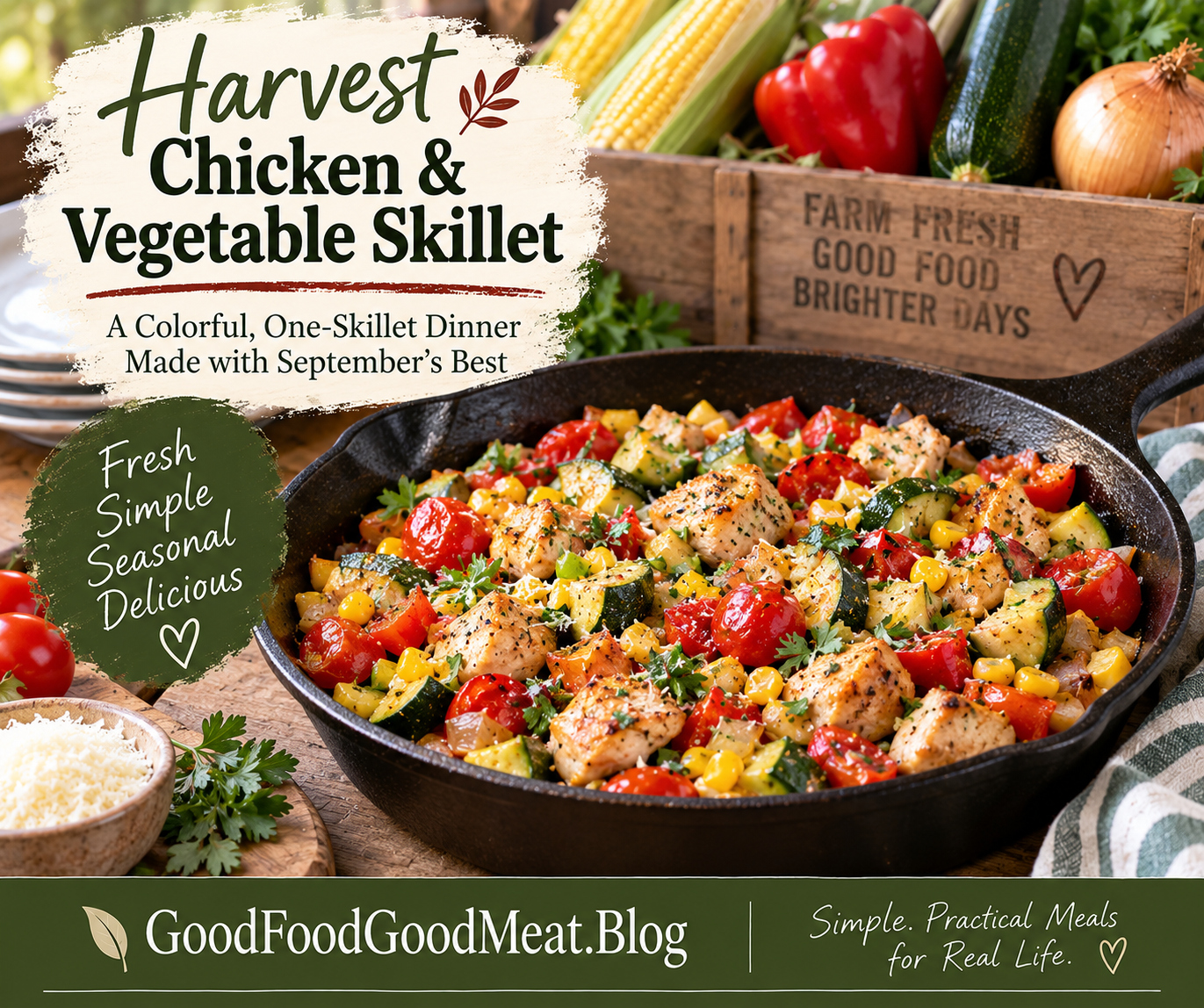
Harvest Chicken & Vegetable Skillet

A colorful one-skillet dinner that makes the most of September’s harvest.

When the farm stand is full of beautiful vegetables, this is exactly the kind of meal I want to make.

Tender pieces of chicken are cooked with sweet corn, zucchini, bell pepper, onion, and tomatoes for a simple skillet dinner that tastes like the best of late summer and early fall. A little garlic and Italian seasoning are all you need to bring everything together.

It’s colorful, filling, budget-friendly, and—best of all—there’s only one skillet to wash.

Why You’ll Love This Recipe

  • One skillet: Everything cooks together, making cleanup easy.
  • Harvest-friendly: Perfect for using whatever fresh vegetables look best this week.
  • High in protein: Chicken makes this a satisfying main dish.
  • Mildly seasoned: Plenty of flavor without making the dish overly spicy.
  • Flexible: Swap in whatever seasonal vegetables you already have.
  • Small-batch friendly: Makes four servings, so it works well for singles and couples with leftovers for another meal.
  • Budget-conscious: Seasonal vegetables help stretch a modest amount of chicken.
simplegoodfood's avatarsimplegoodfood

Harvest Chicken & Vegetable Skillet

Tender pieces of chicken are cooked with sweet corn, zucchini, bell pepper, onion, and tomatoes for a simple skillet dinner that tastes like the best of late summer and early fall.
Prep Time 15 minutes
Cook Time 20 minutes
Total Time 35 minutes
Servings: 4
Course: Dinner, Lunch, Main Course
Cuisine: American
Calories: 330

Ingredients
  

  • 1 pound boneless skinless chicken breasts, cut into bite-sized pieces
  • 1 tablespoon olive oil divided
  • 1 small onion chopped
  • 1 medium zucchini diced
  • 1 red bell pepper chopped
  • 1 cup fresh or frozen sweet corn
  • 1 cup cherry tomatoes halved
  • 2 cloves garlic minced
  • 1 teaspoon Italian seasoning
  • ½ teaspoon salt
  • ¼ teaspoon black pepper
  • ½ cup low-sodium chicken broth
  • 2 tablespoons chopped fresh parsley
  • ¼ cup grated Parmesan cheese optional

Method
 

Prepare the chicken.
  1. Pat the chicken dry and cut it into bite-sized pieces. Season lightly with the salt, pepper, and Italian seasoning.
Brown the chicken.
  1. Heat 2 teaspoons of the olive oil in a large skillet over medium-high heat. Add the chicken in a single layer and cook for about 5–7 minutes, turning occasionally, until lightly browned and cooked through. Transfer the chicken to a plate.
Cook the vegetables.
  1. Add the remaining teaspoon of olive oil to the skillet. Add the onion and bell pepper and cook for 2–3 minutes. Add the zucchini and corn and continue cooking for another 3–4 minutes, stirring occasionally.
Add the tomatoes and garlic.
  1. Stir in the tomatoes and garlic. Cook for about 1 minute, just until the garlic becomes fragrant and the tomatoes begin to soften.
Bring it together.
  1. Return the chicken and any accumulated juices to the skillet. Pour in the chicken broth and stir everything together.
Finish cooking.
  1. Reduce the heat to medium and simmer for 2–3 minutes, stirring occasionally, until the vegetables are tender and the broth has reduced slightly.
Finish and serve.
  1. Sprinkle with fresh parsley and, if desired, Parmesan cheese. Serve hot.

Notes

Make It Your Own

This skillet is intentionally flexible.
Use yellow squash instead of zucchini, add a handful of spinach, substitute green beans for the bell pepper, or toss in leftover roasted vegetables. If tomatoes aren’t looking their best, a few spoonfuls of drained canned diced tomatoes work, too.
You can also change the seasoning to match what you have on hand. A little dried basil or parsley works beautifully here.

Serving Suggestions

This is a complete meal on its own, but you can stretch it a little further by serving it over:

  • Brown rice
  • Quinoa
  • Barley
  • Whole-grain pasta
  • Cauliflower rice

For a lighter meal, serve it with a simple green salad or a piece of whole-grain bread.

A Little Leftover Magic

Don’t overlook the leftovers!

The chicken and vegetables can be refrigerated and reheated for another lunch or dinner. They can also become the starting point for a rice bowl, wrap, or quick quesadilla.

And if you’re following along with our September “Put a Little Back” theme, this is also a good reminder of why preserving seasonal produce can be worthwhile. Today’s harvest doesn’t have to stay today’s dinner.

Nutrition Estimate

Per serving, without optional Parmesan: approximately 330 calories and 37g protein.

Nutrition is an estimate and will vary depending on the specific ingredients and brands used.

Food Safety Note

Cook chicken to an internal temperature of 165°F as measured with a food thermometer. Refrigerate leftovers promptly and use within 3–4 days.

Posted in Rice Bowls

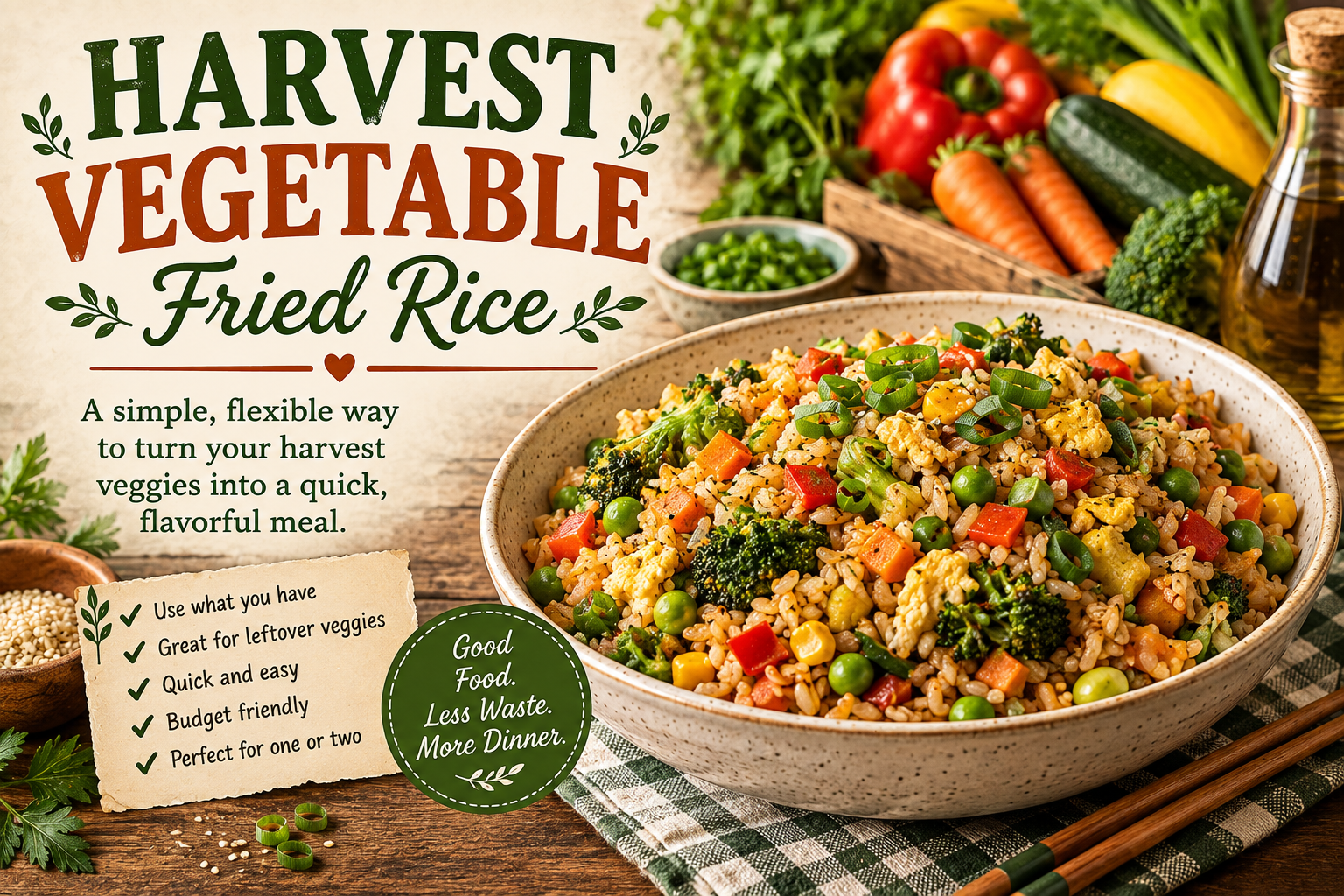
Harvest Vegetable Fried Rice

Saturday is a good day to look around the refrigerator and ask one very important question:

What needs to be used?

Maybe there’s a little roasted squash left from Thursday’s Autumn Harvest Rice Bowl. Maybe you’ve got some carrots, zucchini, corn, peppers, or onions hanging around from earlier in the week.

And maybe there’s some cooked rice waiting in the refrigerator.

That’s dinner.

This Harvest Vegetable Fried Rice is designed for exactly those moments. It doesn’t require a specific collection of vegetables. It simply gives all those little leftovers somewhere to go.

The result is a quick, colorful skillet meal that’s inexpensive, filling, and a whole lot better than throwing good food away.

It’s Waste Not, Want Not in a bowl—or, in this case, a skillet. 🍚🌾

simplegoodfood's avatarsimplegoodfood

Harvest Vegetable Fried Rice

Give leftover vegetables and cooked rice a delicious second life with this easy one-skillet fried rice.
Prep Time 3 minutes
Cook Time 12 minutes
Total Time 15 minutes
Servings: 4
Course: Dinner, Lunch
Cuisine: American
Calories: 315

Ingredients
  

  • 3 cups cold cooked rice
  • 2 cups mixed leftover vegetables chopped into bite-sized pieces
  • 2 large eggs
  • 1/2 small onion diced
  • 1 tablespoon olive oil
  • 1 tablespoon low-sodium soy sauce
  • 1 teaspoon sesame oil
  • 1/2 teaspoon garlic powder
  • 1/4 teaspoon black pepper
  • 2 green onions sliced
  • 1 tablespoon chopped fresh parsley optional
Good vegetables to use:
  • Roasted carrots
  • Corn
  • Zucchini
  • Peppers
  • Green beans
  • Peas
  • Mushrooms
  • Roasted squash or sweet potatoes
  • Cooked broccoli

Method
 

Prepare the rice.
  1. Break up any clumps in the cold cooked rice with your fingers or a fork. Cold rice works particularly well because it is less likely to become mushy in the skillet.
Cook the eggs.
  1. Heat a large skillet or electric skillet over medium heat. Add about half of the olive oil. Beat the eggs lightly, add them to the skillet, and gently scramble until just cooked. Transfer them to a plate.
Sauté the onion.
  1. Add the remaining olive oil to the skillet. Add the diced onion and cook for 2–3 minutes, until softened.
Add the vegetables.
  1. Stir in the leftover vegetables and cook for 2–4 minutes, depending on how firm they are. Since most of the vegetables are already cooked, you’re simply heating and lightly browning them.
Add the rice.
  1. Add the cold rice to the skillet. Stir and toss everything together. Cook for about 4–5 minutes, allowing the rice to heat through and pick up a little color.
Season.
  1. Stir in the soy sauce, sesame oil, garlic powder, and black pepper.
Return the eggs.
  1. Add the cooked eggs back to the skillet and gently stir them into the rice and vegetables.
Finish.
  1. Sprinkle with sliced green onions and fresh parsley, if using. Taste and add a little more soy sauce if needed.

Notes

🌾 The Beauty of Leftovers
This recipe doesn’t have a “correct” vegetable list.
That’s intentional.
If you have a cup of leftover roasted vegetables and half a cup of something else, use them.
If your vegetables are already seasoned, that’s fine.
If they’re a little soft, that’s okay, too. Fried rice is an excellent place for vegetables that aren’t quite at their fresh-from-the-garden best anymore.
The goal is to use them while they’re still good, not wait until they’re perfect.

🥢 Make It Your Own

Want more protein?

Add:

  • Leftover cooked chicken
  • Cooked ground beef
  • Cooked pork
  • Shrimp

Want more vegetables?

Add frozen peas, corn, or carrots straight from the freezer.

Want to keep it meatless?

The eggs provide protein and make this a satisfying meatless meal.

For a little extra flavor, add fresh ginger or a small amount of minced garlic if you have it.

🏕️ Campground Kitchen Tip

This is an especially good recipe for an electric skillet because you have plenty of surface area for the rice to brown without having to juggle several pans.

It’s also a great campground meal because it turns leftovers into something that feels completely different.

Nobody needs to know that Thursday’s roasted vegetables are making a return appearance. 😉

🧊 Meal Prep Tip

If you’re intentionally making fried rice for leftovers, cool the finished rice promptly and refrigerate it in a shallow container.

When reheating, heat the portion thoroughly until steaming hot.

And remember that cooked rice should be handled just like other perishable cooked foods—don’t leave it sitting at room temperature for hours.

Posted in Side Dishes

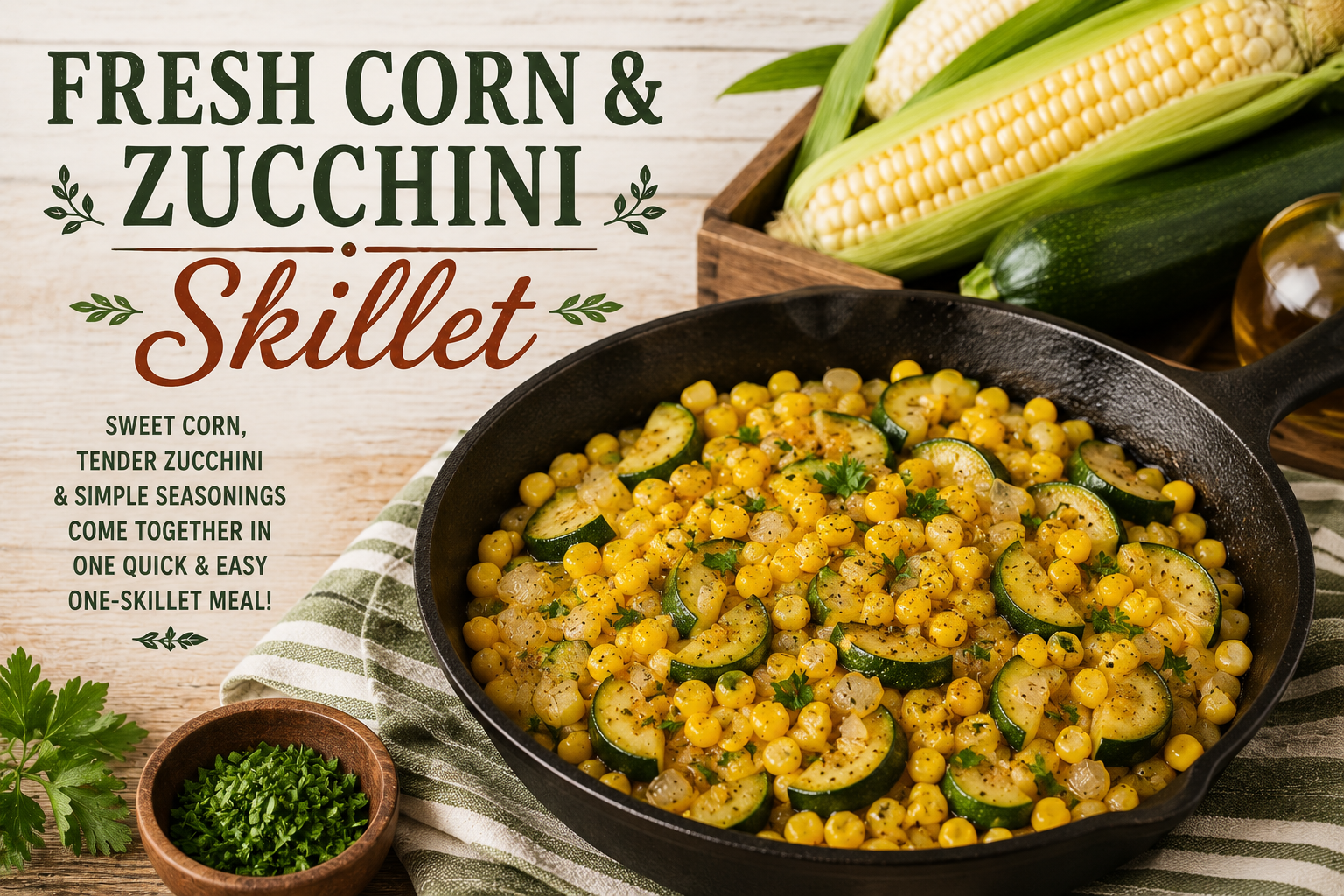
Fresh Corn & Zucchini Skillet

When summer vegetables are at their best, they don’t need much help.

Fresh corn brings sweetness. Zucchini brings tenderness. A little onion, garlic, and seasoning bring everything together without covering up the vegetables themselves.

That’s the idea behind this Fresh Corn & Zucchini Skillet.

It’s a simple side dish for a grilled meal, a bowl of soup, or just about anything else that needs a little color on the plate. And because everything cooks in one skillet, it’s just as practical for a campground kitchen as it is at home.

It’s also a good reminder that seasonal cooking doesn’t have to mean complicated cooking.

Sometimes the best way to enjoy the harvest is simply to let it shine.

simplegoodfood's avatarsimplegoodfood

Fresh Corn & Zucchini Skillet

Fresh summer corn and tender zucchini come together in this simple one-skillet side dish.
Prep Time 10 minutes
Cook Time 10 minutes
Total Time 20 minutes
Servings: 4
Course: Dinner, Side Dish
Cuisine: American
Calories: 125

Ingredients
  

  • 2 cups fresh corn kernels cut from about 3 ears of corn
  • 2 medium zucchini diced
  • 1/2 small onion diced
  • 1 tablespoon olive oil
  • 1 clove garlic minced
  • 1/2 teaspoon dried parsley
  • 1/4 teaspoon black pepper
  • 1/4 teaspoon salt or to taste
  • 1 tablespoon chopped fresh parsley optional
  • 1 tablespoon grated Parmesan cheese optional

Method
 

Prepare the vegetables.
  1. Cut the corn kernels from the cobs and dice the zucchini into bite-sized pieces.
Start the onion.
  1. Heat the olive oil in a large skillet over medium heat. Add the diced onion and cook for 2–3 minutes, until it begins to soften.
Add the corn.
  1. Stir in the fresh corn and cook for about 3 minutes, stirring occasionally. The corn should become bright and slightly tender.
Add the zucchini.
  1. Stir in the zucchini, garlic, parsley, black pepper, and salt.
Cook until tender-crisp.
  1. Continue cooking for about 5–7 minutes, stirring occasionally. The zucchini should be tender but still have a little bite. Avoid overcooking it into mush.
Finish and serve.
  1. Remove from the heat. Sprinkle with fresh parsley and Parmesan, if using.

Notes

🌾 Kitchen Confidence: When Are Summer Vegetables at Their Peak?
One of the easiest ways to make seasonal cooking taste better is to learn what fresh actually looks like.
Corn: Look for bright green husks and silk that is moist rather than dry. The kernels should feel plump when you gently press the husk.
Zucchini: Choose smaller to medium zucchini that feel firm and heavy for their size. Very large zucchini can be watery and have larger seeds.
Green beans: Look for beans that are crisp and snap easily rather than bend limply.
Tomatoes: They should have good color, feel heavy for their size, and have a fresh tomato aroma.
And don’t be afraid of vegetables that aren’t perfectly shaped. A crooked zucchini can taste every bit as good as a picture-perfect one.

💡 Make It Your Own

This skillet is intentionally simple, but you can change it depending on what’s available.

Try adding:

  • Diced red bell pepper
  • Fresh tomatoes
  • Sliced mushrooms
  • A handful of fresh spinach
  • Chopped green beans
  • A sprinkle of Italian seasoning

For a little more richness, add a teaspoon of butter along with the olive oil.

For a heartier dish, stir in leftover cooked chicken or turkey.

🏕️ Campground-Friendly Tip

This is exactly the kind of recipe that works well in a small electric skillet.

You don’t need an oven, a pile of cookware, or much counter space. Everything happens in one pan, and the vegetables cook quickly enough that you’re not spending half the evening standing over the stove.

It’s also a great recipe for using corn and zucchini that you picked up because they were simply too good a bargain to pass up.